Lizard Control Services in Kerala: The Complete Homeowner Guide
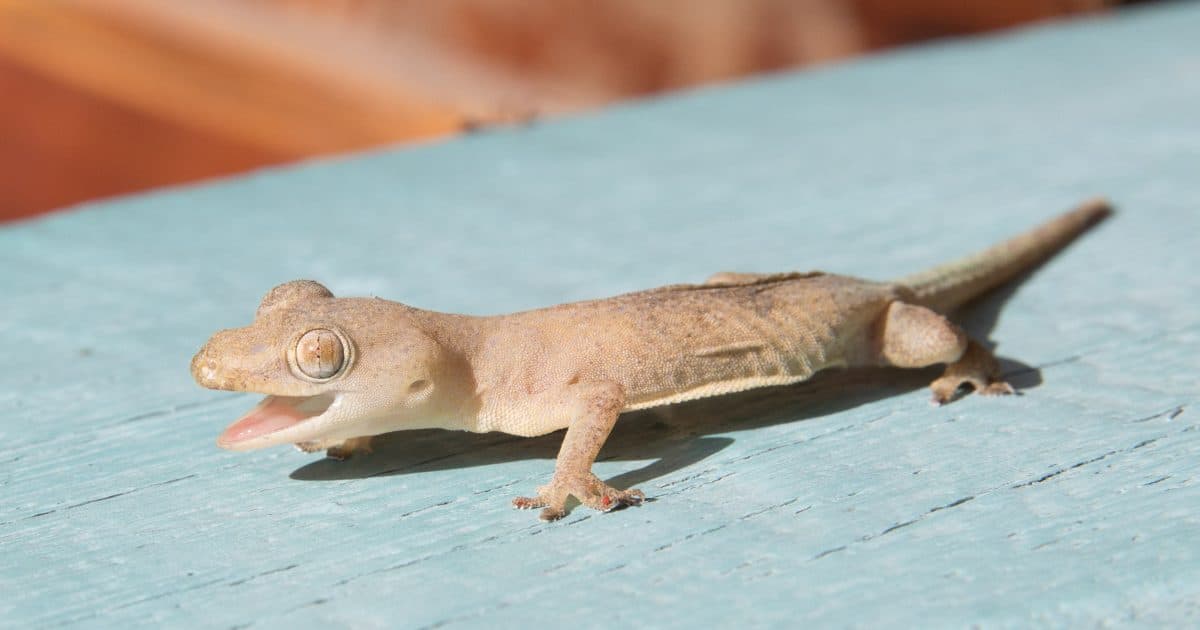
Few uninvited guests are as common in a Kerala household as the house lizard. Reliable lizard control services in Kerala exist for exactly this reason: Kerala's warm, humid climate and insect-rich environment make homes a natural draw for geckos and skinks, regardless of how clean or well kept a property is. This comprehensive guide covers why lizards enter homes, how to correctly identify what species you are actually dealing with, natural and professional treatment options weighed side by side, and how to keep them from coming back for good, whether you live in an independent house, an apartment, or run a commercial kitchen.
Key Takeaways
- Kerala's climate and insect activity make lizard sightings extremely common, not a sign of a dirty home, and most sightings involve the harmless common house gecko rather than any dangerous species.
- Most home lizards are harmless geckos, but persistent infestations still call for professional lizard control services rather than repeated home remedies, especially in kitchens and food storage areas.
- Sealing entry points and reducing insect food sources is the most effective long term prevention strategy, and works far better than relying on repellents alone.
- Choosing an ISO certified, CIB approved provider matters most in occupied kitchens and homes with children or pets, where product safety and correct application are non negotiable.
Why Kerala Homes Are a Magnet for Lizards
Kerala's tropical climate is close to ideal for house lizards. Warm temperatures, consistent humidity, and heavy monsoon rainfall support large insect populations, and insects are a lizard's primary food source. Wherever moths, mosquitoes, and ants gather around outdoor lighting, lizards are rarely far behind. A single house gecko can consume dozens of insects in one night, which is why homes with bright porch lights or uncovered kitchen windows tend to see the heaviest activity.
Older housing stock with open ventilation, exposed rafters, and courtyard style layouts offers easy entry points that modern sealed apartments reduce but do not eliminate entirely. Traditional Kerala homes with tiled roofs, wooden eaves, and Nalukettu style courtyards were built for airflow long before lizard prevention was a design consideration, and those same features remain ideal lizard access points today.
Homes near vegetation, drainage channels, paddy fields, or backwater canals see even higher lizard activity, since these areas support year round insect breeding regardless of season. Coastal and low lying districts often report more persistent sightings than drier inland areas simply because humidity there rarely drops enough to slow insect populations.
Seasonal patterns matter too. Activity typically increases just before and during the monsoon, when insect numbers spike and lizards seek drier indoor spaces, then tapers slightly during the hotter, drier months, though it rarely disappears completely given how consistently warm the state stays year round.
Lifestyle factors compound the climate picture. Homes that leave kitchen windows open through the evening, store firewood or garden waste against exterior walls, or run outdoor lights until late at night are effectively advertising an insect buffet, and lizards respond to that opportunity the same way any opportunistic predator would. For a deeper look at the specific climate and lifestyle factors driving lizard activity across Kerala, see why Kerala homes attract so many lizards.
Common House Lizards in Kerala: What You Are Really Dealing With
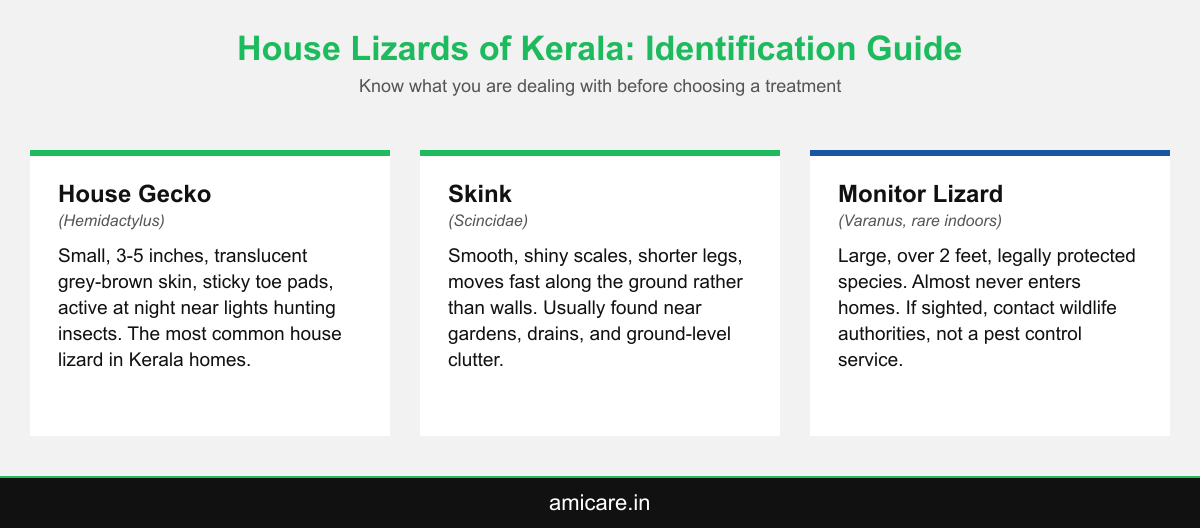
Not every lizard sighting means the same thing. Kerala homes typically encounter a small number of species, each with different habits, appearance, and risk levels. Correct identification helps determine whether a home remedy is enough or whether lizard pest control services are needed, and it also helps homeowners avoid unnecessary alarm over a species that poses no real threat.
Most calls Amicare receives describe the same handful of animals, so a short identification pass before deciding on treatment usually saves time, money, and worry. Photographing a sighting on a phone before calling a provider is a simple, practical step that helps a technician prepare the right approach in advance rather than guessing over the phone.
House Geckos
The common house gecko, of the genus Hemidactylus, is by far the most frequently seen lizard in Kerala homes. Small, typically three to five inches long, grey brown, and active mainly at night, house geckos cling to walls and ceilings near light fixtures where insects gather. They are harmless, non venomous, and genuinely beneficial, since a single gecko can clear a meaningful number of mosquitoes from a room over the course of a night. Their soft chirping sound, often heard at dusk, is a mating and territorial call rather than any sign of distress or danger.
Skinks
Skinks have smooth, shiny, almost polished scales and move quickly along the ground rather than climbing walls the way geckos do. They are usually found near gardens, drains, potted plants, or ground level clutter, and they rarely venture deep into living spaces or kitchens the way geckos routinely do. Their diet also leans toward smaller insects and larvae found in soil and leaf litter, which is why garden facing rooms tend to see them more than upper floor apartments.
The Rare Monitor Lizard
Large monitor lizards, sometimes over two feet long, almost never enter homes and are a legally protected species in India under wildlife conservation law. A sighting near a home, usually in a garden or compound wall, should be reported to local wildlife or forest authorities rather than treated as a routine pest control matter. Attempting to trap, relocate, or harm a monitor lizard independently can carry legal consequences, so professional wildlife guidance is always the safer route.
For a full visual breakdown of features, habits, and how to tell each species apart, read our detailed guide: Lizard, Gecko or Skink? Identifying Common House Lizards in Kerala.
Health and Hygiene Concerns: Separating Fact from Fear
Many Kerala households worry that lizards spread disease through droppings, that their bite is dangerous, or that food touched by a lizard becomes unsafe to eat. In reality, common house geckos are non venomous and pose minimal direct health risk to humans. Bites are extremely rare, and on the uncommon occasion they occur, are not medically significant.
Much of the anxiety around lizards in Kerala kitchens comes from long standing folk beliefs rather than documented medical evidence. That does not mean the concern should be dismissed entirely, since reasonable kitchen hygiene is always worth maintaining regardless of the specific pest involved.
The more legitimate concern is hygiene around food preparation areas generally. Droppings near kitchen counters or stored food should always be cleaned promptly with standard disinfectant, following the same food safety practices recommended by public health bodies for any household pest, as outlined by the World Health Organization in its general guidance on vector and pest related hygiene.
A full myth versus fact breakdown, including the lizard urine question that comes up constantly in Kerala kitchens and whether it is genuinely harmful, is covered in detail in Is Lizard Urine Dangerous? Health Risks, Myths and Facts for Kerala Kitchens.
It is worth noting that the psychological discomfort of sharing living space with lizards is a real and valid reason to act, even where the medical risk is low. Households with a strong aversion, young children who are frightened by sightings, or guests and tenants who raise the issue regularly have every reason to pursue treatment for peace of mind alone, separate from any strict health justification.
Businesses face an additional layer of concern. Restaurants, hotels, and food processing units operating under FSSAI or HACCP guidelines are expected to demonstrate active pest management as part of routine compliance, and lizard activity in a commercial kitchen can raise questions during health inspections even when the actual risk to food safety is minimal. For B2B and institutional context on this, see Amicare's guide on why businesses prefer ISO certified pest control providers.
Natural and Home Remedy Approaches
For occasional single sightings, several natural deterrents can help. Naphthalene balls placed in cupboards and corners, onion or garlic left near entry points, coffee powder or eggshells arranged along windowsills, and even peacock feathers used traditionally in some Kerala homes are commonly relied on, all working on the same principle of smells or textures lizards find unpleasant.
Cold water spray, when a lizard is spotted directly, can also encourage it to move outdoors without physical contact, and keeping kitchen counters free of crumbs and spills reduces the insect activity that draws lizards toward food preparation areas in the first place.
These methods work best as a first response or for light, occasional activity. They rarely resolve an established infestation on their own, since they do not address entry points or the underlying insect food supply drawing lizards indoors, which means the same sightings tend to recur every few days if nothing else changes.
Cost is the main appeal of natural remedies, since most rely on items already in the kitchen or available cheaply at a local store. The tradeoff is consistency: repellents lose potency over days, need regular reapplication, and only address the symptom rather than the entry point the lizard used to get inside, so households often find themselves repeating the same routine weekly without lasting improvement.
A complete list of natural remedies, along with realistic expectations for each and which ones tend to work best in Kerala's climate, is available in How to Get Rid of Lizards at Home Naturally.
Professional Lizard Control Services: What to Expect
When natural remedies are not enough, a structured professional visit addresses the problem at its source rather than masking symptoms temporarily. A licensed provider follows a consistent, repeatable process from inspection through long term prevention, rather than simply spraying visible areas and leaving.
Knowing what a proper visit involves also makes it easier to judge whether a provider is following genuine best practice or cutting corners, which matters most in kitchens, nurseries, and other sensitive spaces.
Inspection and Assessment
A technician walks the property to identify entry points, nesting areas, and the insect activity attracting lizards, then recommends a treatment plan suited to the specific property, its layout, and its infestation level rather than applying a single generic approach everywhere. This step usually takes fifteen to thirty minutes depending on property size and includes checking attics, false ceilings, and behind large appliances where lizards commonly nest unseen.
Treatment Application
CIB approved gel and spray treatments are applied to cracks, corners, and high activity zones using methods and dosages considered safe for kitchens, children, and pets when handled by a trained, certified technician following manufacturer guidelines. Ventilation and drying time instructions are provided so the household knows exactly when rooms are safe to fully reoccupy.
Follow Up and Prevention
A responsible provider schedules a follow up visit within a set window to confirm results, and provides practical sealing and hygiene recommendations the household can act on to reduce the chance of the infestation returning after treatment ends. Written or photo documentation of entry points found during inspection is a good sign of a thorough, transparent process.
Full details on what a service visit in Kochi looks like, including cost factors and what separates licensed providers from unregulated operators, are covered in Professional Lizard Control Services in Kochi. Amicare's dedicated lizard control service page has current service details and coverage areas.
DIY vs Professional Treatment: Making the Right Choice
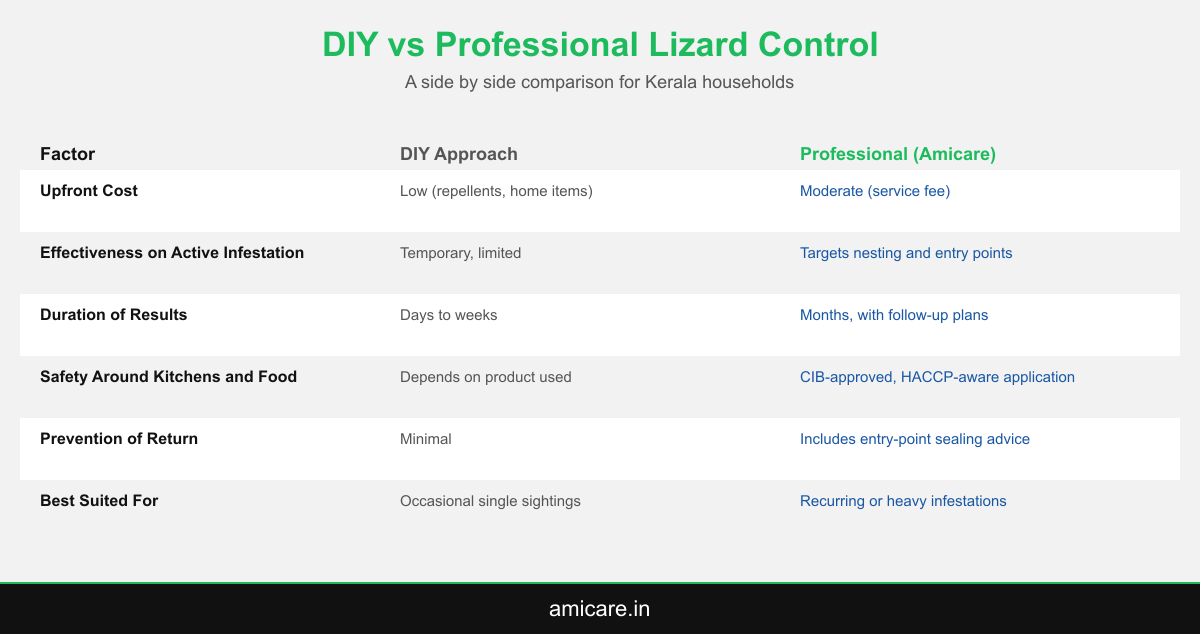
The right choice depends on severity, location, and risk tolerance. A single evening sighting in a well ventilated living room is very different from repeated activity in a kitchen, pantry, or food storage area where hygiene stakes are higher and tolerance for repeat visits from the same lizard is understandably lower.
Cost, safety around food preparation, and how long results last are the three factors that most influence this decision for Kerala households, and each is weighed differently depending on whether the home has small children, stored food inventory, a rental agreement with a landlord involved, or a history of repeated infestations that home remedies have already failed to resolve.
Time is also a factor many homeowners underestimate. Reapplying naphthalene or spray deterrents every few days adds up over a season, while a single professional visit with a follow up plan often works out more efficient in the long run for households dealing with recurring activity rather than an isolated sighting.
A useful rule of thumb is to track sightings for a week or two. A single lizard seen once or twice is often manageable with natural methods. Multiple lizards, repeated appearances in the same room, or any activity directly inside food storage areas are signals that the underlying entry points and food source need professional attention rather than another round of home remedies.
Cost Over Time
Natural remedies cost little upfront but require ongoing repurchase and reapplication, which adds up across a monsoon season. A professional visit costs more at once but typically includes a follow up window, making the effective cost per month of protection comparable or lower for households with recurring activity.
Safety Around Children, Pets, and Food
Not every home remedy is automatically safer than a professional treatment. Some traditional deterrents involve strong odors or substances that are equally unsuitable around small children and pets, while a certified provider uses treatments specifically tested and approved for use in occupied homes.
Long Term Effectiveness
Home remedies address symptoms and rarely last more than a few days to a couple of weeks. Professional treatment targets nesting sites and entry points directly, which is why results generally hold for months rather than days when paired with basic sealing and hygiene follow through.
For a full side by side breakdown of cost, effectiveness, and safety considerations, see DIY vs Professional Lizard Pest Control: What Actually Works.
Lizard Proofing Your Home for the Long Term
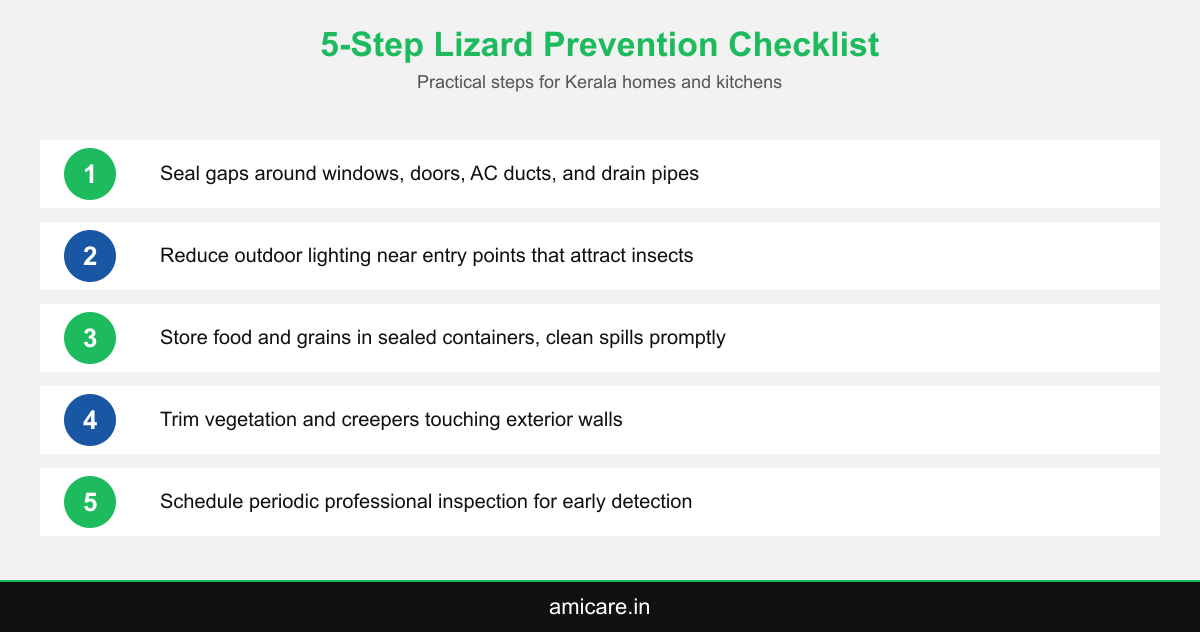
Prevention is more reliable than repeated treatment, since it removes the reasons lizards approach a home in the first place rather than only reacting after they arrive. Sealing gaps around windows, doors, AC ducting, and drain pipes removes the entry points lizards use most often, while reducing outdoor lighting near these openings limits the insect activity that draws them close to begin with.
Kitchens and store rooms deserve particular attention, since food and grain storage attract the insects lizards feed on, which in turn attracts the lizards themselves. Sealed containers, prompt cleanup of spills and crumbs, and routine inspection of dark corners and behind appliances make these spaces far less inviting over time.
Outdoor maintenance plays a role too. Trimming creepers and vegetation that touch exterior walls, clearing debris near foundations, and keeping compound walls free of standing water all reduce the insect populations that draw lizards toward a property in the first place, which lowers pressure on the home even before any indoor sealing is done.
Prevention works best as an ongoing habit rather than a one time project. A short seasonal check, ideally before and after the monsoon when insect activity shifts most sharply, catches new gaps or cracks that appear as a building settles or ages, keeping the home consistently less attractive to lizards throughout the year rather than only immediately after a treatment visit.
A room by room prevention guide focused specifically on kitchens and store rooms is available in Lizard Proofing Your Kitchen and Store Rooms.
Choosing an ISO Certified Lizard Control Provider in Kerala
Not all pest control providers operate to the same standard. An ISO 9001 certified process means documented, consistent quality management from inspection through follow up, rather than an inconsistent one time visit that varies by whichever technician happens to show up.
Certification also tends to correlate with proper chemical handling, correct dosage, and staff training, all of which matter more, not less, in a state like Kerala where pest control visits routinely happen inside occupied kitchens and around small children and pets.
Amicare Services is an ISO certified, government approved pest management company using CIB approved and HACCP aware treatment methods, an important distinction for households with children, pets, or food businesses on the premises. The reasoning behind choosing a certified provider over an unregulated operator is explored fully in why choose an ISO certified pest control company in Kerala, and broader vendor evaluation guidance covering questions to ask before booking any provider is available in how to choose a reliable pest control company in Kerala.
Before booking any provider, ask directly about certification, the specific chemicals used, and what the follow up process looks like if lizards return within a set period. A provider confident in its process will answer these questions clearly and in detail, while a vague or evasive response is usually a sign to keep looking.
Price alone is a poor way to compare providers, since unlicensed operators can undercut certified companies precisely because they skip inspection, documentation, and follow up. A slightly higher upfront cost from a certified provider typically reflects a genuinely more thorough process rather than simple markup, and it is worth weighing against the cost of repeat call outs to an uncertified operator that never fully resolves the infestation.
Conclusion
Lizards are one of the most common household concerns across Kerala, but they are also one of the most manageable with the right approach. Whether a single sighting calls for a natural remedy or a recurring infestation needs structured lizard control services in Kerala, understanding the species, the actual health risk, and the full range of available options puts homeowners back in control rather than reacting to every sighting with frustration or guesswork. Prevention, correct identification, and knowing when to call a certified professional matter more than any single home remedy on its own. Amicare's ISO certified team is ready to help with inspection, treatment, and long term prevention across Kochi and the wider Ernakulam area. Contact Amicare today to schedule a professional assessment and take the guesswork out of lizard control for your home.
Frequently Asked Questions
Are house lizards in Kerala dangerous?
No. Common house geckos found across Kerala are non venomous and generally harmless, feeding on mosquitoes and other insects rather than posing a direct threat to residents.
What attracts lizards to a home in Kerala?
Warm humid conditions, abundant insect activity, and easy entry points such as gaps around windows and drains are the main drivers, as explained in our guide on why Kerala homes attract so many lizards
How much do professional lizard control services in Kerala cost?
Cost varies with property size and infestation level. Contacting a licensed provider directly for an inspection based quote is more reliable than estimating from general figures.
Can I get rid of lizards without chemicals?
Natural deterrents such as naphthalene and onion can reduce occasional sightings, though established infestations usually need professional treatment for lasting results.
Do lizards bite humans?
Bites from common house lizards are extremely rare and not medically significant. Most lizards actively avoid human contact and will retreat when approached.
Is it safe to have lizard control treatment done in a kitchen?
Yes, when performed by an ISO certified, CIB approved provider using treatments designed for food preparation areas. Always confirm certification before booking any pest control service.
How long does professional lizard control take to work?
Most infestations show noticeable reduction within one to two weeks of treatment, with a follow up visit recommended to confirm results and address any remaining entry points.
Are monitor lizards a pest control issue?
No. Monitor lizards are a legally protected species that rarely enter homes. Sightings should be reported to local wildlife authorities rather than a pest control provider.
Do apartments in Kochi get fewer lizards than independent houses?
Generally yes, due to sealed construction and less exterior vegetation contact, though upper floor apartments near balconies and drains still see regular activity. Learn more on our about page
Where can I read more pest control guides for Kerala homes?
Amicare publishes regular guides on pest identification, prevention, and treatment for Kerala households, available on our blog
Frequently Asked Questions
Are house lizards in Kerala dangerous?

What attracts lizards to a home in Kerala?
How much do professional lizard control services in Kerala cost?
Can I get rid of lizards without chemicals?
Do lizards bite humans?
Is it safe to have lizard control treatment done in a kitchen?
How long does professional lizard control take to work?
Are monitor lizards a pest control issue?
Do apartments in Kochi get fewer lizards than independent houses?
Where can I read more pest control guides for Kerala homes?