Lizard-Proofing Your Kitchen and Store Rooms
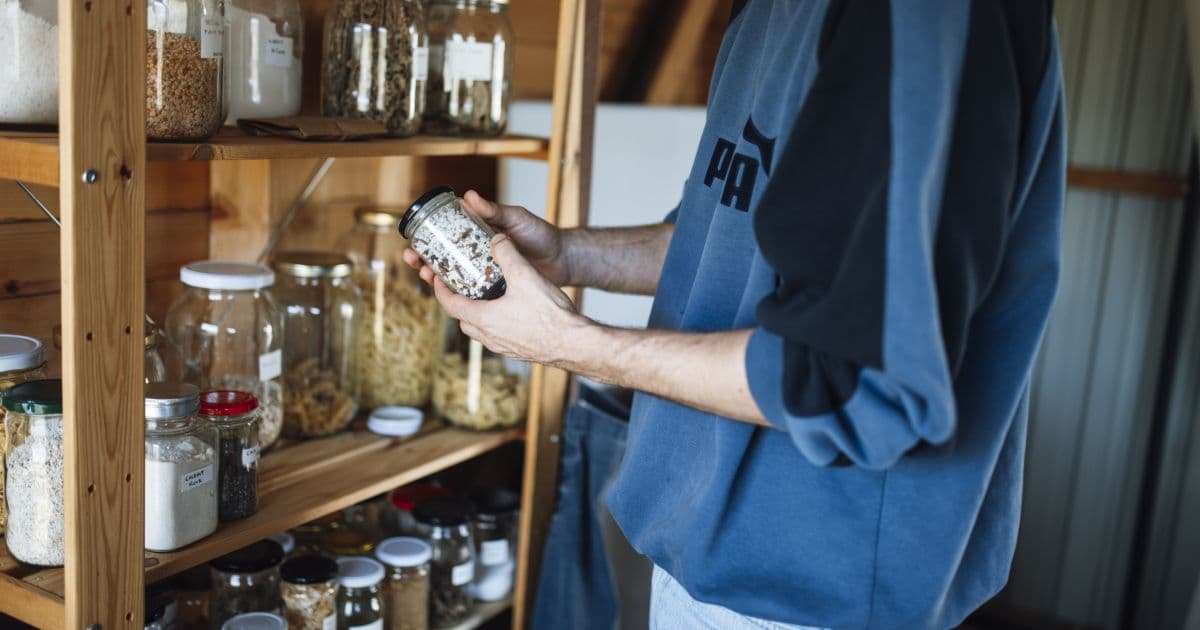
If you keep finding lizards near your stove or store room shelves, you are not alone. Kitchens and pantries are the most common rooms in Kerala homes where people search for how to keep lizards out of my house, because these spaces offer exactly what lizards look for: warmth, dark corners, and a steady supply of insects to eat. Most households try a spray or a single sealed jar first, see a short term improvement, and then find lizards back within a week because the underlying cause was never addressed. This guide walks through practical, room specific steps you can use today to make your kitchen and store rooms far less inviting to lizards, covering both the quick fixes and the habits that keep them from coming back.
Key Takeaways
- Lizards enter kitchens mainly to hunt insects drawn by food residue and light, not because of the food itself.
- Sealing entry points and switching to airtight food storage solve most kitchen lizard problems without any chemicals.
- Store rooms need a separate plan since clutter and low foot traffic make them ideal hiding spots.
- Persistent sightings after trying these steps usually mean an unfound entry point, which is when a professional inspection helps most.
Why Kitchens and Store Rooms Attract Lizards First
Lizards are not drawn to your food. They are drawn to the insects your food attracts. Crumbs, spills, and open containers pull in ants, moths, and small flies, and lizards simply follow that food chain indoors. Kitchens also stay warmer than the rest of the house because of cooking heat, and warmth helps lizards, which are cold blooded, stay active later into the evening near stoves and appliance vents. Store rooms add a second draw: stacked boxes, gunny bags, and rarely disturbed shelving create dark, undisturbed hiding spots that a lizard can use for weeks without being noticed. Both rooms also tend to have more small gaps than living areas, since pipework, exhaust ducting, and storage racks all create tiny openings that are easy to overlook during routine cleaning. Understanding this cause and effect relationship is the real starting point for prevent lizards entering your house long term, rather than reacting to sightings one at a time. Once the underlying insect activity drops, lizard sightings in these two rooms usually drop with it, often within a few weeks of consistent effort.
Seal Every Entry Point Lizards Use
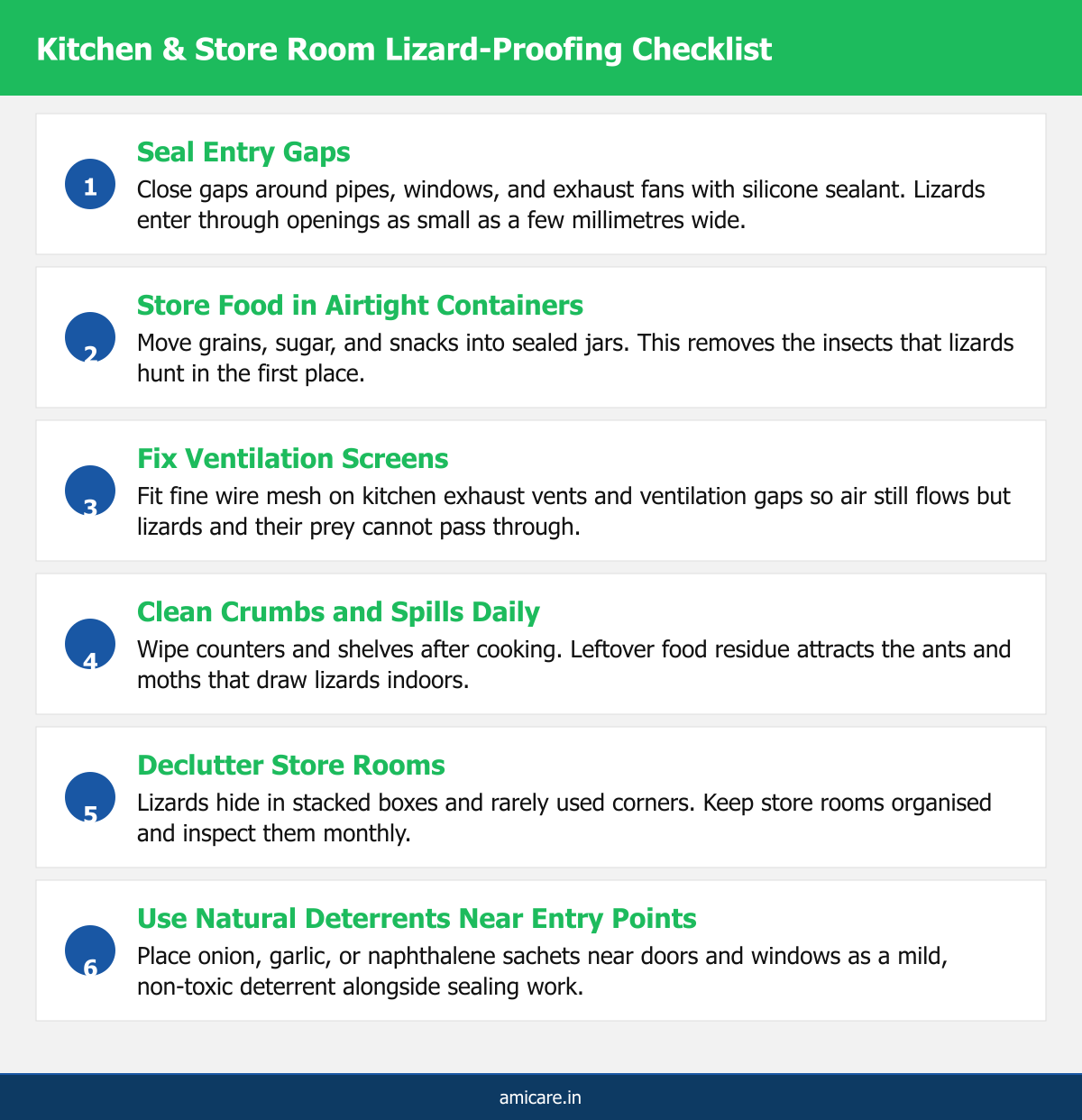
A house lizard can slip through gaps only a few millimetres wide, so sealing is the single highest impact step in any kitchen lizard control plan. Start with the areas around plumbing pipes under the sink, gaps behind the refrigerator and stove, and the thin space where exhaust ducting meets the wall. Silicone sealant or expanding foam closes these permanently, unlike tape or cloth stuffing, which lizards and insects can work through over time. Windows and ventilators deserve particular attention in Kerala homes, since many older kitchens use louvred glass with visible gaps at the frame. Fitting fine mesh screens over these openings keeps airflow intact while physically blocking entry. Door thresholds are another commonly missed gap, and a simple draft strip along the bottom edge closes a route lizards use more often than most homeowners expect. Work through one room at a time with a torch at dusk, when gaps show up clearly against the fading light, and mark anything wider than a pencil for sealing. If you want a professional inspection to catch gaps you might miss, Amicare's lizard control services kerala team checks these exact points, including ceiling voids and false ceiling joints, as part of every visit, and documents each gap sealed so you know exactly what was fixed.
Food Storage Habits That Remove the Real Attraction
Since lizards are really chasing insects, the most effective food storage change is switching loose grains, sugar, flour, and snacks into airtight containers. Glass or heavy plastic jars with rubber seals work better than clip lock bags, which insects can chew through over a few weeks of daily use. Wipe down counters and stovetops after every meal, since even small amounts of oil or food residue left overnight can draw enough insects to bring a lizard in by morning. Pay attention to fruit bowls and open spice tins as well, both common overnight attractants in Indian kitchens, and rinse recyclables before storing them rather than leaving sticky containers in a corner. Dustbins deserve a tight fitting lid for the same reason, since an open bin is often the single largest insect draw in an otherwise clean kitchen. This single habit change, paired with FSSAI aligned FSSAI food safety guidelines for home food storage, does more to reduce lizard activity in a kitchen than any spray or repellent on its own, and it protects your food from insects and dust at the same time.
Store Room Habits That Keep Lizards From Settling In
Store rooms rarely get the daily attention a kitchen does, which is exactly why lizards settle there undisturbed for weeks at a time. Break the habit by decluttering shelves every few weeks, keeping boxes at least a few centimetres off the floor on a rack or pallet, and avoiding tightly packed stacks that create permanent shadow between items. Check behind large appliances or unused furniture stored in these rooms, since these spots are rarely inspected during routine cleaning and often hold both insects and lizards undisturbed. If your search history looks like lizard cleaning services or natural remedies, note that most home remedies work best as a supplement to decluttering, not a replacement for it, since a lizard can simply move a few shelves over if the underlying clutter and insect activity remain. A five minute weekly walkthrough of the store room, checking corners and shelf undersides with a torch, catches problems long before an infestation forms, and it takes far less time than dealing with an established one later.
When Prevention Isn't Enough
Sealing, storage changes, and decluttering solve the majority of kitchen and store room lizard problems, but persistent sightings despite these steps usually point to an entry point you have not found yet, often in the ceiling void, false ceiling gaps, or an exterior drain connecting to the kitchen wall. At that stage, a professional inspection is the fastest lizard solution, since a trained technician can trace the actual entry route with the right tools rather than treating symptoms room by room, which often means repeating the same DIY steps without lasting results. It is also worth reading about is lizard urine actually dangerous if health concerns, rather than the sighting itself, are driving your search, since the two problems call for different responses and different levels of urgency. Amicare's approach follows integrated pest management principles, combining exclusion, hygiene, and safe, low toxicity treatment rather than chemicals alone, which keeps kitchens and food storage areas safe throughout the process.
Conclusion
Keeping lizards out of your kitchen and store rooms comes down to three habits: sealing the gaps they use to enter, removing the insects that draw them in, and keeping storage areas too tidy and too well organised to hide in. Together these steps answer how to keep lizards out of my house for most Kerala homes without a single chemical treatment, and most households see a noticeable drop in sightings within the first few weeks of applying them consistently. If sightings continue after trying them, Amicare's ISO certified team can inspect your home, trace entry points a homeowner might miss, and close the gaps DIY methods leave behind. Contact Amicare today to schedule a visit and get a kitchen and store room that stays lizard free through every season, including the humid monsoon months when sightings usually spike.
Frequently Asked Questions
How do I keep lizards out of my house permanently?
Seal gaps around pipes and windows, switch to airtight food storage, and declutter store rooms. These three habits remove both entry points and the insects lizards feed on, giving lasting results without chemicals.
What smell keeps lizards away from the kitchen?
Onion, garlic, and naphthalene balls are commonly used natural deterrents. They are mild and short lived, so pair them with sealing and cleaning rather than relying on smell alone.
Do lizards mean my kitchen is dirty?
Not necessarily. Lizards follow insects, not dirt directly. A clean counter with an unsealed food container can still attract them, so storage habits matter as much as visible cleanliness.
Can lizards damage stored food or grains?
Lizards themselves rarely eat stored grains, but their presence usually signals an insect problem that can. Airtight containers protect food from both insects and any lizard activity nearby.
Why do lizards keep coming back after I remove them?
If entry points remain open and food residue or insects are still present, new lizards will replace the ones removed. Removal without sealing and cleaning only offers temporary relief.
Is it safe to use naphthalene balls near food storage?
Naphthalene should be kept away from direct food contact and used only near entry points, not inside pantry shelves. For food storage areas, sealed containers are the safer long term choice.
How often should I inspect my store room for lizards?
A monthly walkthrough with a torch, checking behind boxes and furniture, is enough for most homes. Increase this to weekly during Kerala's monsoon season when insect activity rises.
When should I call a professional instead of doing it myself?
If lizards persist after sealing and cleaning, or you suspect a ceiling void entry point, a professional inspection is faster and more thorough. See why DIY pest control often falls short before repeating home remedies indefinitely.
Are the chemicals used in professional lizard control safe for kitchens?
Amicare uses CIB approved, low toxicity products specifically chosen for food preparation areas, applied away from open food and surfaces to keep kitchens safe for daily use.
Does Amicare offer general pest control alongside lizard proofing?
Yes. Amicare's general pest control services cover the insects that attract lizards in the first place, giving kitchens a complete, long term solution rather than a single treatment.