Why Kerala Homes Attract So Many Lizards: Climate & Lifestyle Factors
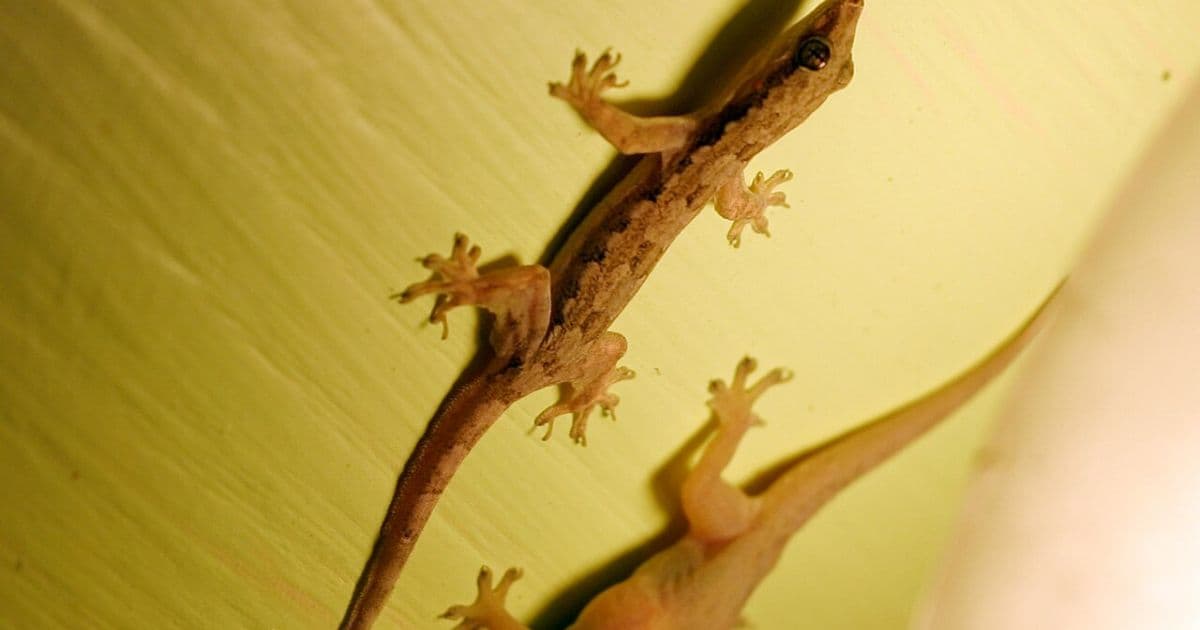
If you live in Kerala, you have probably noticed lizards in Kerala homes far more often than in drier parts of India. This is not bad luck or poor housekeeping. Kerala's tropical climate, heavy monsoon rainfall, and dense insect population create near perfect conditions for house lizard populations to thrive indoors. Understanding these climate and lifestyle factors helps homeowners take smarter, more targeted prevention steps rather than fighting a losing battle against nature every few weeks with little to show for it.
Key Takeaways
- Kerala's high humidity and warm year round temperatures mirror a lizard's natural tropical habitat, making homes an easy extension of it.
- Monsoon season drives a surge in insects, which pulls lizards indoors to feed, especially near lights and kitchens.
- Traditional Kerala home architecture, with open ventilation and courtyards, gives lizards easy entry points that modern sealed homes do not have.
Kerala's Climate: The Perfect Environment for Lizards
Kerala's tropical, humid climate closely matches the natural habitat lizards evolved in, which is the core reason lizard in home sightings are so frequent across the state.
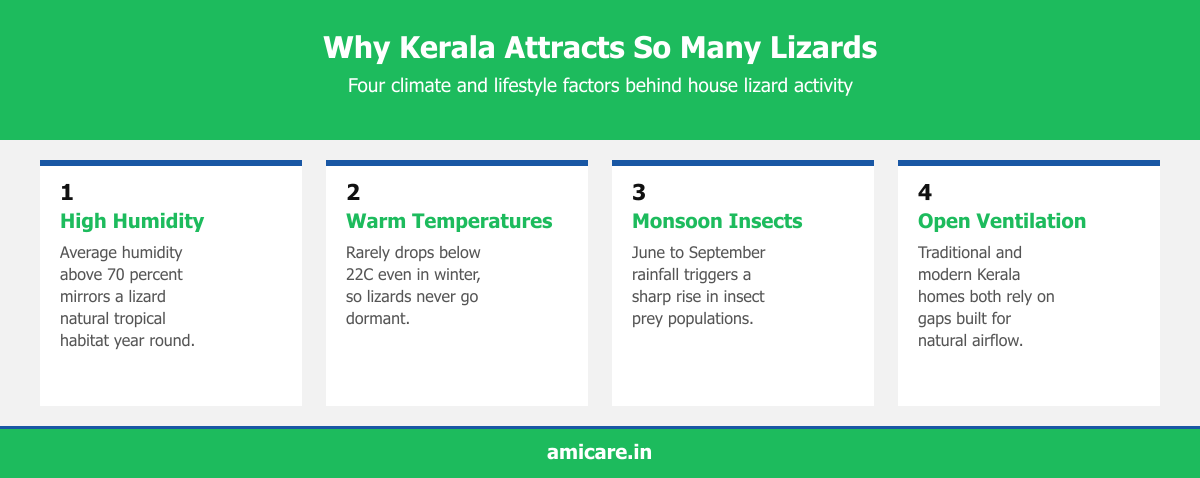
Most common house lizards found across Kerala, including species from the Hemidactylus genus, are native to warm, humid tropical regions. Kerala's climate, with average humidity often above 70 percent and temperatures rarely dropping below 22 degrees Celsius even in winter, replicates this natural habitat almost exactly. Unlike northern Indian states that experience a distinct cold season, Kerala stays warm and moist year round, giving lizards no seasonal reason to become dormant or retreat outdoors. This constant warmth also speeds up their metabolism and breeding cycles, meaning lizard populations in Kerala homes can grow faster than in cooler regions where a winter slowdown naturally limits numbers. Coastal districts such as Ernakulam and Kochi add further humidity from sea proximity, while backwater and canal networks inland keep ambient moisture high even in the dry season. Even indoor climate control does not fully offset this, since most Kerala homes rely on natural ventilation rather than sealed, air conditioned interiors, leaving indoor humidity closely tied to outdoor conditions. For a full breakdown of how these climate conditions translate into a practical treatment plan, our companion guide, Lizard Control & Prevention in Kerala Homes, covers the complete process. For homeowners, this means prevention cannot be a one time seasonal task. It has to be a year round habit, since the climate itself never gives lizards a biological reason to leave or slow down.
Why Insect Abundance Drives Lizard Populations Indoors
Lizards are not interested in your home itself. They are interested in the insects your home attracts, and Kerala's insect population is unusually high.
A house lizard's diet consists almost entirely of small insects such as mosquitoes, moths, ants, and small cockroaches. Kerala's warm, wet climate supports one of the densest insect populations in India, particularly during and after monsoon season when standing water and humidity create ideal breeding grounds for flying and crawling insects alike. Indoor lighting compounds this problem. Moths and flying insects are drawn to bulbs and tube lights left on in the evening, and lizards quickly learn that windows, porch lights, and kitchen exhaust vents are reliable, low effort hunting grounds. This is why lizard sightings cluster so heavily around kitchens, balconies, and rooms with exposed lighting fixtures. Households near gardens, compost areas, or open drains tend to see even higher activity, since these spots generate a steady insect supply close to the building. Kitchens with uncovered food waste or infrequent bin collection add another layer of attraction, drawing both the insects lizards eat and the lizards that follow them. Reducing insect activity through screened windows, sealed exhaust vents, and well managed waste disposal removes the food source that draws lizards indoors in the first place, which is often more effective long term than trying to remove the lizards directly one at a time. For simple, safe steps you can start today, see our guide on How to Get Rid of Lizards at Home Naturally.
Traditional and Modern Kerala Homes: Architecture That Invites Lizards
Kerala's building styles, both traditional and contemporary, tend to include features that make it easy for lizards to enter and hide undetected.
Traditional Kerala homes were designed with open courtyards, wide eaves, and gaps between roof tiles specifically for natural ventilation in a hot, humid climate. These same features, while excellent for airflow, are also ideal lizard entry points that require no real effort to exploit. Even in modern apartments and independent houses, common design choices such as gaps around window frames, uncovered drainage pipe openings, and open ventilator grills above doors give lizards easy access from outside walls and shared corridors. Wall cracks, especially in older buildings common across Ernakulam and Kochi, provide daytime hiding spots close to food sources without much light or foot traffic to disturb them. Furniture with hollow backs, false ceilings, electrical meter boxes, and storage areas that are rarely disturbed also become long term shelter once a lizard settles in. Balcony grills, sit outs, and the gap behind wall mounted appliances such as air conditioners are similarly overlooked, yet they offer the same combination of shelter and proximity to indoor light that makes a spot attractive. If you are unsure what species is actually sharing these spaces with you, our guide Lizard, Gecko or Skink? Identifying Common House Lizards in Kerala breaks down the differences. This combination of ventilation needs and construction gaps means that even a well maintained Kerala home remains naturally accessible to lizards unless entry points are specifically identified and sealed as part of a deliberate plan.
Seasonal Patterns: When Lizard Activity Peaks in Kerala
Lizard activity in Kerala follows a fairly predictable seasonal pattern tied closely to monsoon rainfall and insect breeding cycles.
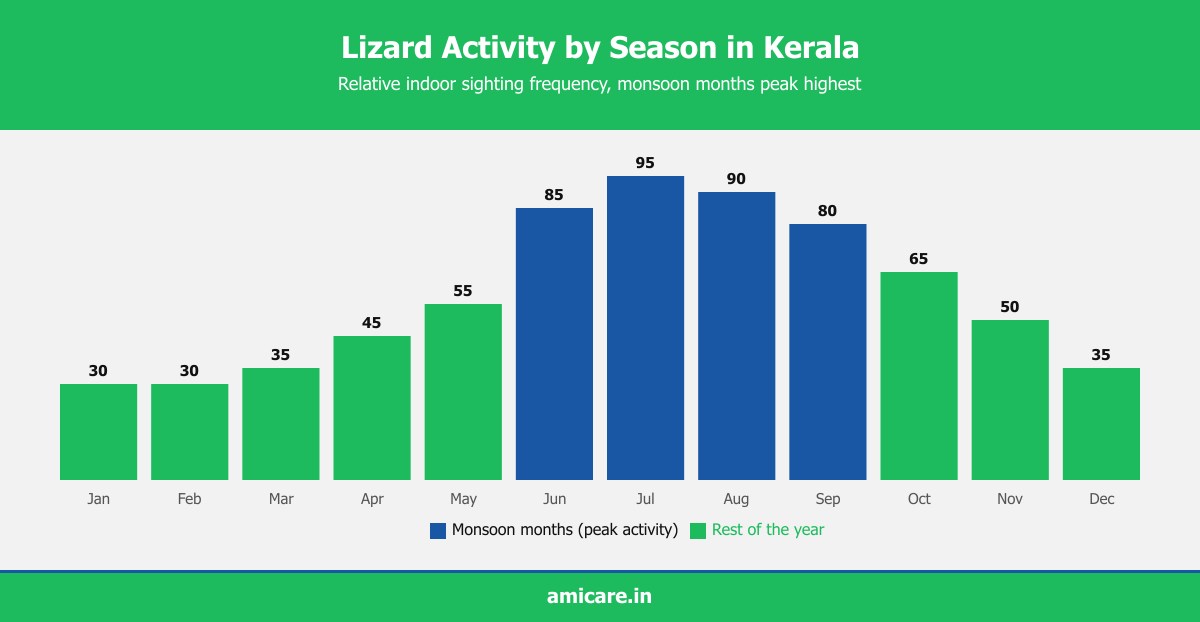
Lizard sightings typically increase sharply during and just after the monsoon months of June through September, when insect populations peak and displaced lizards seek shelter from flooding, waterlogging, and heavy rain outdoors. Breeding activity also rises during this period, since warm, humid conditions are optimal for egg laying, meaning a single active monsoon season can noticeably increase the resident lizard population in and around a home by the time the rains ease. Activity remains moderately high through the humid post monsoon months of October and November, as young lizards mature and continue hunting the still elevated insect population, before settling into a steadier, lower level baseline during the comparatively drier early months of the year from December through March. Even this quieter period rarely means zero activity, since Kerala's baseline humidity stays high enough to keep some insect food supply available indoors regardless of season. Homeowners who schedule preventive pest management ahead of monsoon season, rather than reacting only after lizards are already established indoors, generally see far better and longer lasting results from professional treatment.
What This Means for Long Term Lizard Prevention in Your Home
Because Kerala's climate and building styles are essentially permanent conditions, effective lizard control has to be an ongoing strategy rather than a one time fix.
Since the humidity, insect abundance, and architectural openness driving lizard activity in Kerala are not going to change, sustainable prevention depends on breaking the specific conditions that attract lizards to a given home rather than chasing individual lizards after the fact. This includes reducing insect food sources through better sanitation and lighting choices, sealing common entry points identified during a proper inspection, and using safe, targeted treatments around known hiding spots as part of a broader Integrated Pest Management approach rather than relying on short term home remedies that lose effectiveness within days. Homeowners who understand these underlying climate and lifestyle drivers are also better equipped to maintain results between professional visits, since simple habits like fixing leaking taps, storing food in sealed containers, and keeping garden areas trimmed all reduce the insect supply that draws lizards back. Amicare's lizard control services in Kochi and across Kerala are built specifically around these local climate and housing patterns, using ISO certified, CIB approved methods that address root causes instead of offering a temporary fix that needs repeating every few weeks.
Conclusion
Lizards in Kerala are common for clear, explainable reasons rooted in the state's climate, insect population, and building styles rather than anything homeowners are doing wrong. Recognizing these patterns makes it far easier to take targeted, effective action instead of relying on short term fixes that do not last through the next monsoon. For a lasting solution suited to Kerala's specific conditions, contact Amicare Services to schedule a professional lizard control assessment for your home.
Frequently Asked Questions
Why are there so many lizards in Kerala homes compared to other states?
Kerala's high humidity, warm year round temperatures, and dense insect population closely match a lizard's natural tropical habitat. Unlike northern states with a cold season, Kerala never forces lizards into dormancy, allowing populations to stay active and breed continuously.
Does monsoon season increase lizard activity in Kerala?
Yes. Monsoon rainfall from June through September sharply increases insect populations, which pulls more lizards indoors to feed. Breeding activity also rises during this humid period, often leading to a noticeable increase in household lizard sightings afterward.
Are house lizards in Kerala dangerous to humans?
Common house lizards found in Kerala are generally not dangerous. They do not bite unless provoked and are not venomous. Their main drawback is being a nuisance, along with droppings that can affect hygiene in kitchens and food storage areas.
Why do lizards gather near lights in Kerala homes?
Lizards follow their food source. Insects such as moths and mosquitoes are drawn to indoor and porch lighting, and lizards position themselves near these lights to hunt easily, which is why sightings cluster around bulbs, windows, and kitchen vents.
Do older Kerala homes get more lizards than newer ones?
Often, yes. Traditional Kerala architecture includes open ventilation gaps, wide eaves, and roof tile spacing designed for airflow, all of which double as easy lizard entry points. Wall cracks common in older buildings also provide additional hiding spots.
Can sealing gaps in a Kerala home really reduce lizard numbers?
Yes, sealing entry points such as window frames, drainage pipe openings, and ventilator grills significantly reduces new lizards entering a home. Combined with reduced insect activity, this addresses the two main reasons lizards are drawn indoors in the first place.
What time of year is best to schedule lizard control in Kerala?
Scheduling preventive lizard control before monsoon season, ideally in April or May, is most effective. This gets entry points sealed and treatments in place before the seasonal surge in insects and lizard breeding activity begins in June.
Do lizards in Kerala carry diseases?
House lizards are not classified as major disease vectors, but their droppings can carry bacteria and contaminate food surfaces in kitchens and pantries. Maintaining hygiene and limiting their access to food storage areas reduces this hygiene risk.