DIY vs Professional Lizard Pest Control: What Actually Works
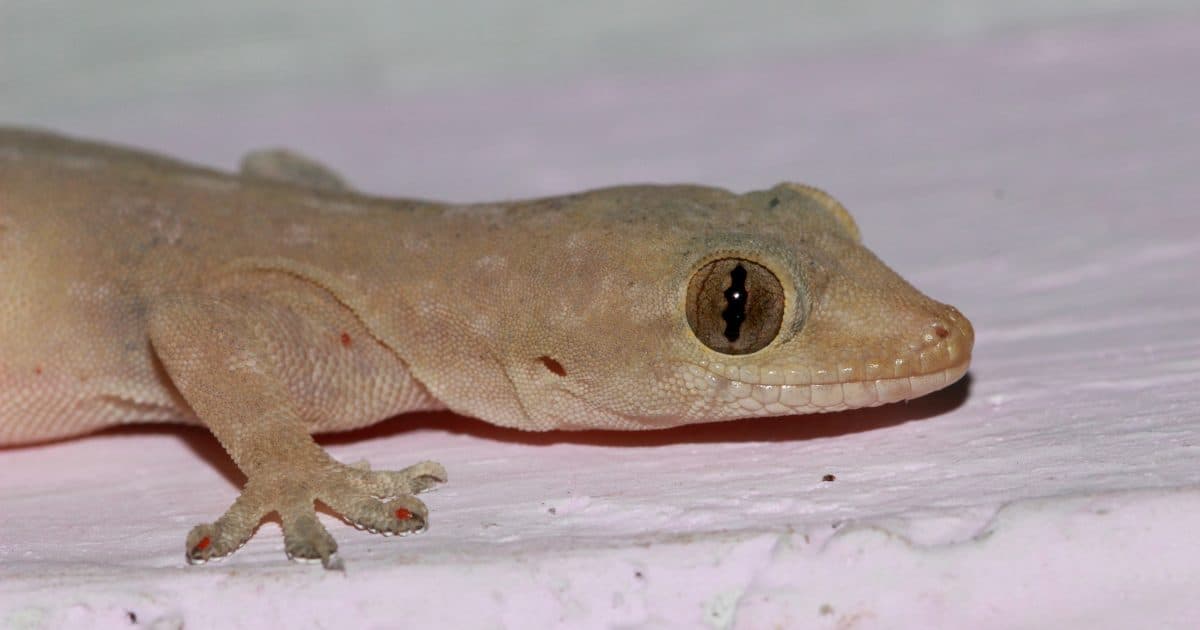
Searching for lizard pest control near me usually means one thing: home remedies have already been tried and the lizards are still there. Naphthalene balls, eggshells, pepper spray and sticky traps all promise results, but Kerala's warm, insect rich homes make lizards hard to keep out with shortcuts alone. Our full guide to lizard control and prevention in Kerala homes covers the bigger picture; this article compares what DIY methods can realistically achieve against what a professional lizard control service delivers, so you can choose the right approach before spending more money on remedies that only work for a week.
Key Takeaways
- DIY methods like naphthalene, eggshells and sticky traps can reduce light, occasional lizard sightings but rarely solve a real infestation.
- Professional lizard pest control near me targets entry points and food sources, not just visible lizards, which is why results last longer.
- Kitchens, food storage areas and commercial kitchens should skip DIY entirely and go straight to a certified lizard control service.
What DIY Lizard Control Actually Involves
Most home remedies for lizards rely on smell, texture or minor irritation to make a space temporarily unappealing, not on removing the lizard population itself.
Common DIY lizard control tactics include naphthalene balls placed in corners, crushed eggshells near entry points, pepper or garlic spray on window sills, and homemade sticky traps behind furniture. Our detailed walkthrough of how to get rid of lizards at home naturally covers each of these methods step by step. These methods work on the theory that lizards avoid strong smells or sticky textures. Some homeowners also try cold water sprays or ammonia solutions to drive lizards away from a specific room, while others rely on onion slices or peacock feathers tucked near windows, remedies passed down more through habit than evidence. None of these methods kill or remove lizards permanently. They simply make one location less comfortable, which often just pushes lizards a few feet away into another gap, behind a cupboard, or into a neighbouring room, rather than solving the underlying reason lizards entered the home in the first place. Most households end up repeating the same remedy every few weeks once the smell fades or the trap dries out, without ever addressing why lizards were drawn indoors to begin with. Online forums and neighbourhood WhatsApp groups in Kerala are full of these tips, and while none of them are dangerous to try, expectations should be set correctly from the start: a repellent smell is a deterrent, not a treatment, and it will never match what a structured lizard control service is designed to deliver.
Where DIY Methods Genuinely Work
For a single, isolated lizard sighting in a well sealed home, DIY methods can be a reasonable first step before calling a lizard control service.
If you have seen one or two lizards, your home has few insect attractants, and gaps around doors and windows are already sealed, naphthalene or a homemade repellent spray may be enough to discourage them. DIY works best as prevention in an already low risk home, not as a cure for an active infestation. It also has value as a stopgap between spotting a problem and scheduling a professional lizard treatment near me, buying time without pretending to be a permanent fix. Renters and independent house owners with minor, one off sightings are the group most likely to see DIY methods work well enough on their own, particularly in newer construction where window seals and door frames have not yet developed the small gaps that older Kerala homes tend to accumulate over years of monsoon exposure. Even in these cases, DIY should be paired with basic housekeeping such as reducing standing water, covering food overnight and fixing torn window mesh, since the remedy itself does very little without those supporting habits.
Why DIY Falls Short for Recurring or Severe Infestations
Once lizards are breeding indoors or returning repeatedly, home remedies stop working because they do not address entry points, egg clusters or the insects lizards are feeding on.
Lizards return to homes because of consistent food sources, usually insects drawn to kitchen waste, poor drainage or exposed lighting left on overnight. A naphthalene ball does nothing to reduce that insect population, so lizards simply wait it out or relocate within the same house. Repeated sightings, lizard droppings in cabinets, or eggs found behind appliances are signs the infestation has moved beyond what any home remedy can manage. Amicare's broader post on why DIY pest control fails in Kerala homes covers this pattern across every pest type, not just lizards, which is why so many customers who tried naphthalene and traps first eventually search for a lizard pest control near me that can actually close the gap. There is also a cost dimension worth considering: repeatedly buying repellents, traps and sprays over several months, without ever fixing the underlying cause, often adds up to more than a single professional visit would have cost in the first place, while still leaving the household with an unresolved infestation. Severe cases can also carry a hygiene cost that is easy to underestimate: lizard droppings near food preparation surfaces, stored grains or open shelving are a genuine sanitation concern for families and an even bigger risk for restaurants, hostels and hospitality businesses, where a single customer complaint can outweigh months of savings from skipping professional treatment.
What Professional Lizard Pest Control Adds
A certified lizard control service treats the causes of infestation, not just visible lizards, using safer, more targeted methods than most home remedies.
Amicare's lizard pest control services in Kochi start with an inspection to identify entry points, egg clusters, and insect activity that is attracting lizards in the first place, a process covered in more depth in our guide to professional lizard control services in Kochi. Treatment uses CIB approved, non toxic repellent applications that are safe around children and pets, paired with sealing recommendations for gaps around pipework, windows and ventilation. Technicians are trained to spot the specific insect activity, ants, moths, mosquitoes or crickets, that is drawing lizards into a particular room, and to treat that food source alongside the lizards themselves. Because the underlying insect food source is also addressed, results last considerably longer than any spray or trap bought off a shelf. For a full breakdown of what is included, Amicare's lizard control services in Kochi page outlines the inspection, treatment and follow up process in detail, including the guarantee period offered after each visit.
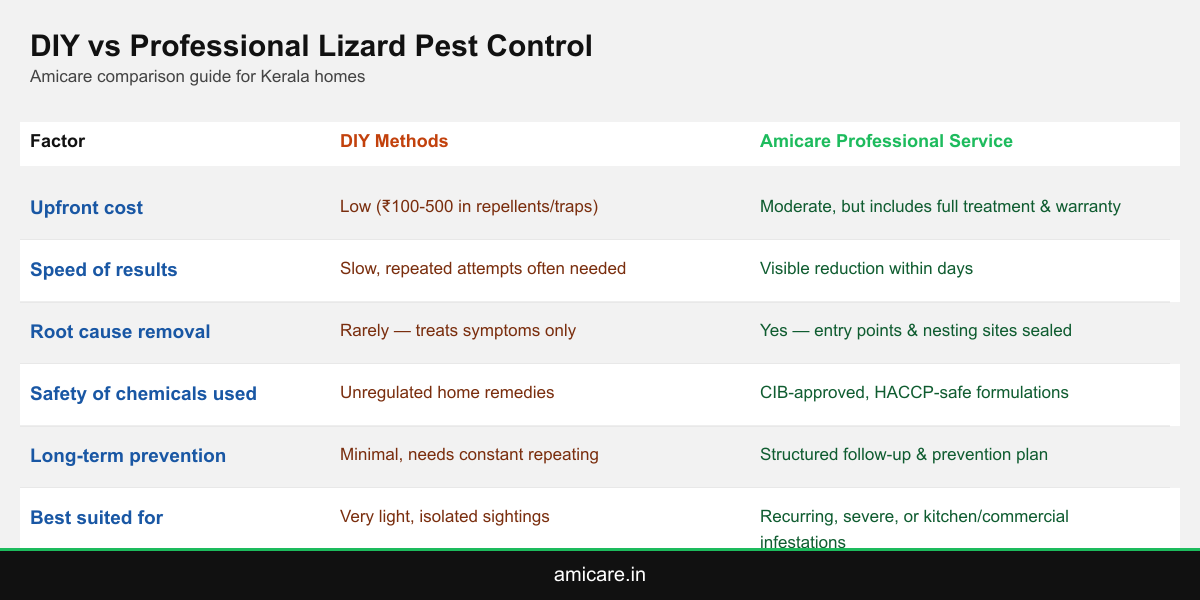
How to Decide: DIY, Professional, or Both
Use DIY for prevention and light sightings, and move straight to professional lizard pest control near me for kitchens, recurring infestations, or commercial spaces.
A simple rule of thumb: if you have tried one DIY method and still see lizards two weeks later, or the sightings are in a kitchen, pantry or food storage area, stop experimenting and book a professional lizard treatment near me instead. Commercial kitchens and food businesses in particular cannot rely on home remedies, since hygiene inspections and HACCP style compliance expectations require documented, certified pest control rather than naphthalene balls in a corner. Apartment residents dealing with lizards entering through shared ducts or balcony drains often find DIY especially frustrating, since a neighbour's untreated unit can keep reintroducing lizards no matter how many traps are set on one side. For everyone else, DIY remains a reasonable first line of defence, as long as it is treated as prevention rather than a cure, and as long as sightings stay occasional rather than becoming a weekly occurrence. For anyone unsure which category they fall into, a short inspection is usually enough to tell: a technician can typically confirm within minutes whether a property has a genuine entry point problem or simply an occasional visitor, which removes the guesswork that keeps many households stuck in a cycle of repellents and traps for far longer than necessary.
Conclusion
DIY lizard control has a real but limited role. It can prevent light infestations and buy time, but it rarely solves recurring sightings, breeding lizards, or kitchen infestations because it never addresses entry points or food sources. When home remedies stop working, a certified lizard pest control near me search should lead to a provider that treats causes, not just symptoms. Amicare's ISO certified team has helped Kerala homeowners move past the trap and repellent cycle with lasting results. Contact Amicare today to book an inspection and find out whether your situation still fits DIY or needs a professional visit.
Frequently Asked Questions
Is DIY lizard control effective long term?
DIY methods like naphthalene or sticky traps can reduce light sightings temporarily, but they rarely stop lizards from returning because they do not remove insect food sources or seal entry points into the home.
What is the best homemade lizard trap?
Sticky glue traps placed along walls and behind furniture are the most commonly used homemade lizard trap, though they only catch individual lizards rather than addressing the reason lizards keep entering the home.
When should I call a lizard pest control near me instead of using home remedies?
Call a professional service once sightings recur after two weeks of DIY treatment, or immediately if lizards appear in a kitchen, pantry or food storage area where hygiene risk is higher.
Are professional lizard control chemicals safe for children and pets?
Amicare uses CIB approved, non toxic repellent applications specifically chosen to be safe around children and pets, unlike some unregulated homemade sprays that can irritate skin or eyes.
Do lizard repellent sprays actually work?
Pepper or garlic based sprays can mildly irritate lizards and discourage short term visits, but the effect fades quickly and does not stop lizards from returning once the smell dissipates.
Why do lizards keep coming back after I remove them?
Lizards return because the underlying insect food source and entry points remain unchanged. Removing a visible lizard without addressing these causes simply creates space for another one to move in.
How much does a professional lizard treatment near me typically cost?
Cost depends on property size and infestation severity, but professional treatment includes inspection, targeted application and follow up, which tends to offer better long term value than repeated DIY purchases.
Can naphthalene balls harm pets?
Naphthalene can be toxic to pets if ingested, so homeowners with cats, dogs or small children should be cautious about placement and consider asking a professional pest control service for safer alternatives.
Is it worth combining DIY and professional lizard control?
Yes. Many Kerala homeowners use DIY methods for prevention between scheduled professional visits, which keeps sightings low while still relying on certified treatment for the underlying infestation.
What signs mean my lizard problem is beyond DIY?
Frequent sightings, droppings in cabinets, eggs behind appliances, or lizards appearing in multiple rooms all indicate an established infestation that home remedies are unlikely to resolve on their own.