Why Cockroaches Keep Coming Back and How to Stop Them
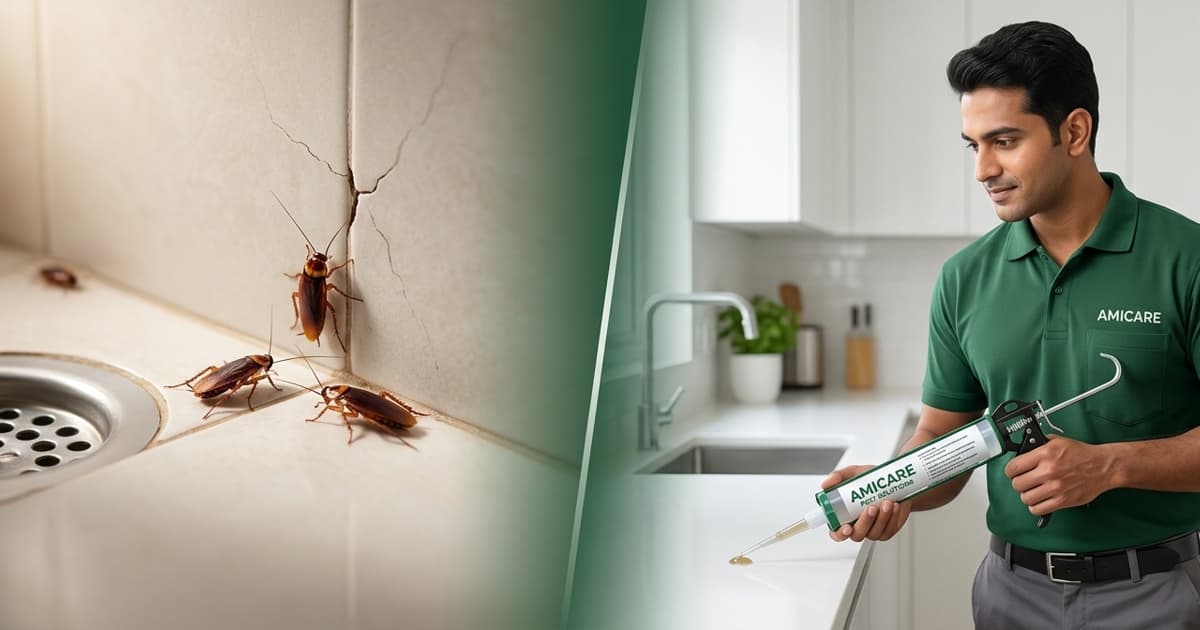
Best cockroach pest control is not just about spraying and waiting. If cockroaches keep returning to your home or business despite repeated treatments, there is a deeper problem at play. Kerala's humid climate, dense housing, and year-round warmth make it one of the most cockroach-prone regions in India. Understanding why these pests return is the first step toward stopping them permanently. This blog explains the root causes of recurring infestations and how professional treatment from a certified team like Amicare Services addresses them at the source.
Key Takeaways
Cockroaches return because DIY treatments miss eggs, harborage zones, and entry points that professional inspections can detect.
A certified cockroach control service in Kerala uses Integrated Pest Management (IPM) to target the full life cycle, not just visible insects.
Long-term prevention requires structural sealing, sanitation guidance, and scheduled follow-up treatments from trained experts.
Why Do Cockroaches Keep Coming Back After Treatment?
Many homeowners treat cockroaches with sprays or gel baits and notice results within days. But within weeks, the problem returns. This happens because most over-the-counter products kill only adult cockroaches. Eggs, nymphs, and harborage colonies hidden inside walls, drains, and appliance gaps survive untouched.
Cockroach eggs are encased in a protective shell called an ootheca. This shell resists most surface-level chemicals. Once the eggs hatch, a new generation begins feeding and reproducing rapidly. Without targeting this stage, any treatment provides only short-term relief.
Additionally, cockroaches are highly adaptive. They can develop resistance to certain pesticide formulations over time, especially when the same product is used repeatedly. This is one key reason why DIY pest control fails in Kerala homes more often than people expect.
Common Reasons Your Home Attracts Cockroaches Repeatedly
Cockroaches do not enter homes randomly. They are drawn by specific conditions that many homeowners unknowingly maintain. Identifying and correcting these factors is critical to any lasting control strategy.
Moisture and leaks: Kerala's monsoon season creates persistent dampness in kitchens, bathrooms, and utility areas. Cockroaches need water to survive and are strongly attracted to leaking pipes and wet floors.
Food residue: Leftover crumbs, uncovered food containers, and grease buildup under stovetops are prime attractants. Even pet food left overnight can sustain a colony.
Clutter and cardboard: Stacked cardboard boxes, old newspapers, and cluttered storage rooms provide ideal harborage zones where cockroaches breed undisturbed.
Entry gaps: Cracks in walls, gaps around pipes, and unsealed drain openings allow cockroaches to re-enter after every treatment cycle.
Shared building infrastructure: In apartments and commercial buildings, cockroaches migrate freely through shared walls, drainage systems, and electrical conduits.
Addressing these root causes alongside chemical treatments is what separates a temporary fix from a permanent solution. Professional pest management teams inspect all these zones before recommending a treatment plan tailored to your property.
How the Best Cockroach Pest Control Breaks the Infestation Cycle
Professional cockroach treatment works differently from retail products. A certified team like Amicare does not simply apply a chemical and leave. The process follows a structured Integrated Pest Management approach that addresses every stage of the cockroach life cycle.
Step 1: Thorough Inspection and Harborage Mapping
Before any treatment begins, trained technicians inspect the entire property. They identify active harborage sites, egg cases, entry points, and conducive conditions. This inspection informs a customized treatment strategy rather than a generic spray application. Knowing where cockroaches breed and travel is the foundation of effective control.
Step 2: Targeted Gel Bait and Residual Treatment
Professional-grade gel baits are placed at harborage points. These baits are carried back to the colony by foraging cockroaches, killing insects that never directly contact the treatment. Residual insecticides are applied to crack and crevice zones, creating a long-lasting barrier. This dual approach targets both visible and hidden populations simultaneously.
Step 3: Egg and Nymph Elimination
Certified technicians use growth regulators and specialized formulations that disrupt the development of cockroach eggs and nymphs. This breaks the reproductive cycle, preventing a new generation from maturing. This stage is often completely missed by DIY treatments, which is why infestations keep recurring even after visible adults are eliminated. You can learn more about how professional strategies work in our guide to preventing reinfestation after cockroach treatment.
Step 4: Exclusion and Structural Recommendations
After treatment, technicians recommend or assist with sealing entry points such as pipe gaps, drain covers, and wall cracks. Without closing these access routes, new cockroaches from neighboring areas can re-enter. This exclusion step is a defining feature of professional service that retail products cannot provide.
Step 5: Scheduled Follow-Up and Monitoring
A single treatment rarely ends a severe infestation completely. Professional services include scheduled follow-up visits to monitor activity levels, reapply treatments if needed, and adjust the strategy based on results. This ongoing commitment is what makes best cockroach pest control truly effective over the long term.
Why Cockroach Control Service in Kerala Requires Local Expertise
Kerala's environment is uniquely challenging for pest management. The combination of high humidity, dense vegetation, monsoon flooding, and closely spaced buildings creates conditions that accelerate cockroach breeding and spread. A generic treatment plan designed for a drier climate will not deliver the same results here.
Local experts understand which cockroach species are most prevalent, including the German cockroach found in kitchens and the American cockroach common in drains and sewers. They select formulations and application methods suited to Kerala's specific conditions. Amicare's team, with over ten years of experience in the region, has the local knowledge needed to address infestations at their source.
For homeowners seeking a comprehensive understanding of professional pest management, the residential pest control guide for Kerala homeowners provides practical insight into what to expect from a professional service.
According to research published by the World Health Organization, cockroaches are known to carry pathogens responsible for food contamination, diarrhea, and allergic reactions. This reinforces why sustained, professional-grade control is essential for households and food businesses alike.
Signs That You Need Professional Cockroach Treatment Right Away
Some infestations go beyond what routine prevention can handle. Recognizing these warning signs helps you act before the problem worsens significantly.
Cockroaches visible during the day, not just at night
Musty or oily odor in kitchen or bathroom areas
Egg casings or shed skins behind appliances and under sinks
Dark droppings resembling coffee grounds on shelves and countertops
Repeated sightings in commercial kitchens, restaurants, or food storage areas
If you notice any combination of these signs, a professional assessment from a certified cockroach control service in Kerala is the appropriate next step. Early intervention reduces treatment costs and prevents the infestation from spreading to neighboring units.
You can also explore effective pest control strategies for cockroaches in Kerala to understand the full scope of available solutions for different property types.
What Makes Amicare's Approach Different
Amicare Services Pvt. Ltd. is ISO certified and government-approved, operating across all major cities in Kerala. The team uses IPM-based solutions that prioritize safety for children, pets, and food preparation areas. Treatments are designed to be effective without relying on excessive chemical application.
The company's approach combines proven science with local expertise, ensuring that every treatment plan is built around the specific infestation, property type, and environmental conditions. Whether you are a homeowner, a restaurant owner, or a facility manager, the service is scaled and customized accordingly. For a broader look at why professional management matters, consider reading about why regular pest management is essential for a healthy home.
External resources from the US Environmental Protection Agency also highlight that IPM strategies consistently outperform single-method chemical treatments in reducing long-term pest populations, reinforcing the value of a structured professional approach.
Conclusion
Cockroaches keep coming back because most treatments address symptoms rather than causes. Eggs survive, entry points remain open, and harborage zones go untreated. The best cockroach pest control takes a complete approach that covers inspection, targeted treatment, life cycle disruption, exclusion, and follow-up monitoring. Kerala's climate demands local expertise and certified methods to achieve lasting results. If cockroaches continue returning to your home or business, it is time to move beyond temporary fixes. Contact Amicare Services for safe, certified cockroach control service in Kerala that stops infestations at their root and keeps your property protected year-round.
Frequently Asked Questions
Why do cockroaches keep coming back even after professional treatment?

What is the best cockroach pest control method for Kerala homes?
How long does professional cockroach treatment last?
Are professional cockroach treatments safe for children and pets?
What attracts cockroaches to clean homes in Kerala?
Can cockroaches develop resistance to pest control chemicals?
How do I know if I have a serious cockroach infestation?
Is cockroach control service in Kerala expensive?
What should I do to prepare my home before a cockroach treatment?
How do cockroaches enter apartments in multi-story buildings?