Best Cockroach Pest Control: How to Prevent Reinfestation After Treatment
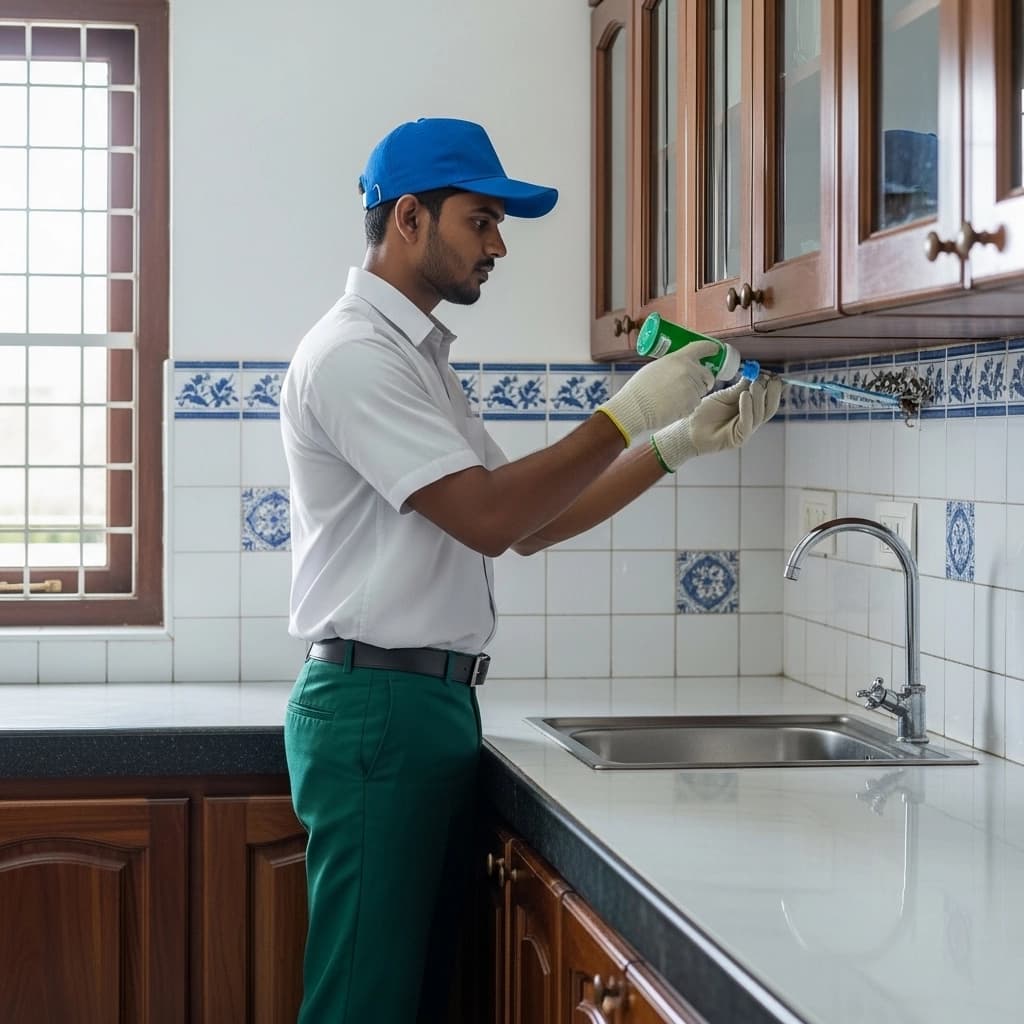
Cockroaches are one of the most persistent pests in Kerala homes and businesses. Even after a professional treatment, reinfestation is a real concern if the right follow-up steps are not taken. Understanding the best cockroach pest control practices, both during and after treatment, is key to keeping your home or workplace free from these resilient insects. This guide walks you through why cockroaches return, what you can do to stop them, and how certified professionals make a lasting difference.
Key Takeaways
Professional anti-cockroach treatment eliminates active infestations, but long-term prevention depends on consistent hygiene and follow-up care.
Cockroaches can re-enter through drains, cracks, and food packaging, making structural sealing just as important as chemical treatment.
Amicare's ISO-certified pest control solutions use Integrated Pest Management (IPM) to ensure safe, effective, and lasting results across Kerala.
Why Cockroaches Return After Treatment
Anti-cockroach treatment removes the active population, but the root causes of infestation often remain.
Cockroaches are highly adaptable. A single treatment can eliminate visible insects and egg deposits in accessible areas, but cockroaches are skilled at surviving in hidden corners, inside electrical panels, under refrigerators, and behind wall voids. Kerala's warm, humid climate makes conditions particularly favorable for them year-round. After a treatment session, new cockroaches can enter from neighboring units, drainage systems, grocery bags, and cardboard boxes. If the conditions that attracted them in the first place such as moisture, food residue, or cracks in walls are not addressed, reinfestation can occur within weeks. This is why a comprehensive approach to the best cockroach pest control goes far beyond a one-time spray.
The Role of Professional Anti-Cockroach Treatment
Certified anti-cockroach treatment targets not just adult cockroaches but also eggs and hiding zones that DIY methods typically miss.
Professional pest control technicians use a combination of gel baits, residual sprays, insect growth regulators (IGRs), and targeted dusting to achieve complete coverage. IGRs are particularly effective because they disrupt the lifecycle of cockroaches, preventing nymphs from developing into reproducing adults. This multi-layered approach is a core part of Integrated Pest Management (IPM), which prioritizes long-term results over quick fixes. DIY pest control methods often fall short because they target only visible insects and use off-the-shelf products that cockroaches can develop resistance to over time. A certified professional brings the right tools, the right compounds, and the expertise to apply them safely and effectively in your specific environment.
External Reference: According to the World Health Organization (WHO), cockroaches are known carriers of diseases such as salmonella, dysentery, and typhoid, making timely and thorough treatment essential for public health.
Post-Treatment Steps to Prevent Cockroach Reinfestation
Taking the right actions after an anti-cockroach treatment significantly reduces the chance of cockroaches returning.
Here are the most important post-treatment measures every Kerala household and business should follow:
Keep kitchens dry and clean: Cockroaches are drawn to moisture and food residue. Wipe counters after cooking, fix leaking pipes promptly, and avoid leaving dirty dishes overnight.
Seal entry points: Inspect and seal gaps around pipes, window frames, doors, and walls. Cockroaches can squeeze through incredibly small openings.
Store food properly: Use airtight containers for all dry goods. Avoid storing food in open packets or cardboard boxes.
Clear clutter: Cockroaches nest in dark, undisturbed areas. Regularly clear out stacked papers, unused cartons, and stored items under sinks.
Manage waste effectively: Empty dustbins daily and ensure bins have tight-fitting lids. Organic waste is a primary attractant for cockroaches.
Maintain drainage hygiene: Cockroaches frequently enter through floor drains and sink pipes. Install mesh covers and flush drains regularly with hot water or appropriate cleaning agents.
Following these steps consistently after a professional pest control for cockroaches in Kerala ensures the treatment continues to work as intended.
How IPM-Based Solutions Offer Long-Term Protection
Integrated Pest Management takes a scientific, environment-friendly approach that makes results more durable compared to conventional spraying.
IPM focuses on understanding cockroach behavior and habitats to target the pest at every stage of its lifecycle. Rather than relying solely on pesticides, IPM incorporates habitat modification, exclusion techniques, biological controls, and carefully chosen chemical applications only when necessary. This reduces chemical exposure in your living or working environment while delivering more thorough outcomes. Amicare's government-approved, ISO-certified general pest control services are built on IPM principles, ensuring your home or facility receives a treatment plan that is both safe for occupants and effective against recurring infestations. For households with children, elderly residents, or pets, the low-toxicity nature of IPM-based treatments is a significant advantage.
Special Considerations for Commercial Spaces in Kerala
Commercial kitchens, restaurants, hospitals, and food storage facilities face a higher risk of cockroach reinfestation and require a more rigorous approach.
Cockroaches thrive in commercial food environments due to the abundance of food, warmth, and moisture. A single cockroach sighting in a restaurant or food processing unit can result in serious hygiene violations and reputational damage. For these high-risk environments, Amicare recommends scheduled maintenance visits alongside the initial anti-cockroach treatment. Regular inspections catch early signs of activity before they become a full infestation. Staff training on hygiene practices, proper waste disposal, and reporting pest sightings also plays a critical role. Businesses in Kerala's hospitality, healthcare, and food sectors benefit greatly from a structured pest management contract that includes documentation, service reports, and compliance support.
External Reference: The Food Safety and Standards Authority of India (FSSAI) mandates pest control as part of food safety compliance for all food businesses, making professional pest management a regulatory requirement, not just a preference.
When to Schedule a Follow-Up Treatment
Knowing when to book a follow-up session is just as important as the initial anti-cockroach treatment.
Most professional cockroach treatments require a follow-up visit within 2 to 4 weeks to assess effectiveness and address any residual activity. If you notice cockroaches within a few days of treatment, it does not always indicate failure. It can mean that cockroaches disturbed by the treatment are coming into contact with the applied products, which is part of the process. However, if activity continues beyond the second week, a follow-up inspection is strongly recommended. Amicare's service plans include scheduled revisits so that any recurrence is addressed promptly. For kitchen cockroach control in Kerala, especially in older homes with hidden wall voids and drainage challenges, multiple treatment rounds may be needed for complete control.
Conclusion
Preventing cockroach reinfestation after treatment requires a combination of professional expertise, consistent hygiene practices, and timely follow-up. The best cockroach pest control is not a single event but an ongoing commitment to maintaining a clean, sealed, and well-monitored environment. Kerala's climate and urban living conditions make this especially important for both homes and commercial establishments. Amicare Services brings over 10 years of certified experience, ISO-backed processes, and IPM-based solutions to deliver results that last. Contact Amicare Services for safe, certified pest control across Kerala and protect your home or business from recurring cockroach problems.
Frequently Asked Questions
1. What is the best cockroach pest control method available today?

The best cockroach pest control combines gel baiting, residual sprays, and insect growth regulators under an Integrated Pest Management framework. This multi-step approach targets cockroaches at every lifecycle stage and delivers longer-lasting results than conventional single-application treatments.
2. How long does anti-cockroach treatment last?
A professional anti-cockroach treatment typically remains effective for 3 to 6 months, depending on the infestation level and hygiene practices maintained afterward. Regular follow-ups and good sanitation habits can extend the protection period significantly.
3. Why do cockroaches come back after pest control treatment?
Cockroaches return when entry points remain unsealed, food sources are accessible, or moisture problems persist. New cockroaches can also enter from neighboring units or drains. Post-treatment hygiene and structural sealing are essential to prevent reinfestation.
4. Is professional cockroach pest control safe for children and pets?
Yes, when conducted by certified professionals using IPM-based methods. Licensed pest control companies use low-toxicity, targeted compounds and advise occupants on safe re-entry times. Always choose government-approved service providers for the safest results.
5. How often should I schedule cockroach pest control in Kerala?
For homes, a professional treatment every 6 to 12 months is recommended. Commercial kitchens, restaurants, and food storage facilities benefit from quarterly or bi-monthly service schedules. Businesses can also explore Amicare's food product safety services to meet hygiene compliance standards and prevent large-scale infestations.
6. Can cockroaches survive pest control gel baits?
Cockroaches rarely survive properly placed gel baits, as the active ingredient spreads through the colony via secondary poisoning. However, bait resistance can develop with repeated use of the same product. Professionals rotate formulations to ensure continued effectiveness.
7. What should I do immediately after a cockroach treatment?
Avoid cleaning treated surfaces for at least 48 to 72 hours. Keep food stored in sealed containers, fix any leaking pipes, and seal visible cracks. Allow the applied products to work undisturbed for maximum effectiveness during this critical post-treatment window.
8. Does cockroach pest control work in high-rise apartments in Kerala?
Yes, but effectiveness improves when all units in the building participate in the treatment. Cockroaches move freely between floors and units through shared drainage and wall cavities. Building-wide or floor-wide treatment plans provide significantly better results.
9. What makes Amicare's cockroach pest control different from other providers?
Amicare is ISO-certified and government-approved, with over 10 years of experience serving Kerala homes and businesses. Their residential pest control services are built on IPM principles, ensuring safe, thorough, and eco-friendly treatment customized to each property.
10. Are there eco-friendly options for anti-cockroach treatment?
Yes. IPM-based anti-cockroach treatments minimize chemical use by combining targeted applications with habitat modification and exclusion techniques. These eco-friendly solutions are safe for families, food businesses, and environmentally sensitive spaces across Kerala.