Residential Pest Control Kerala: Homeowner's Guide
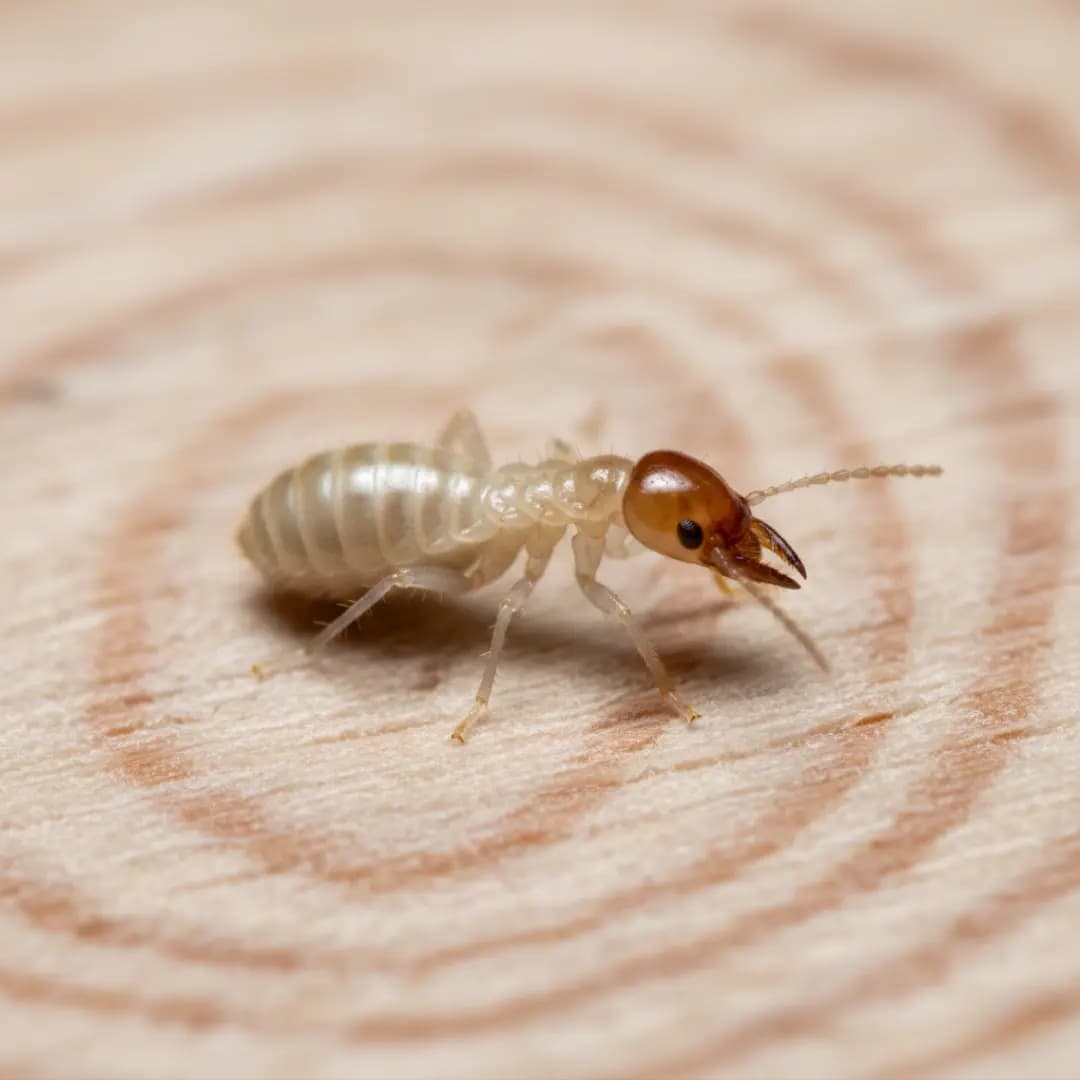
Choosing the right residential pest control service in Kerala can mean the difference between a truly pest-free home and recurring infestations. With Kerala's humid climate creating ideal conditions for pests like cockroaches, termites, and rodents, homeowners need professional solutions backed by certification and expertise. This guide covers everything you must know before booking residential pest control services, helping you make an informed decision that protects your family and property.
Key Takeaways
Always verify that your pest control provider has ISO certification and government approval to ensure safe, compliant treatments
Integrated Pest Management (IPM) solutions offer long-term prevention rather than temporary fixes for common Kerala household pests
Understanding your specific pest problem and the treatment methods used helps you choose between various residential pest control companies effectively
Why Kerala Homes Need Professional Pest Control
Kerala's tropical climate and monsoon seasons create perfect breeding conditions for household pests throughout the year.
The high humidity levels, combined with abundant rainfall, make Kerala homes particularly vulnerable to pest infestations. Cockroaches thrive in damp kitchen areas, termites attack wooden structures during monsoon months, and rodents seek shelter in homes during heavy rains. These pests don't just cause property damage—they pose serious health risks by spreading diseases and contaminating food supplies. Professional residential pest control services understand these regional challenges and apply targeted solutions that address Kerala-specific pest behavior patterns. Unlike generic treatments, certified providers use location-specific strategies that account for seasonal pest cycles and local building materials commonly used in Kerala construction.
Essential Certifications and Credentials to Look For
Legitimate residential pest control companies must possess proper certifications that guarantee safe and effective treatments for your home.
Before booking any service, verify that the company holds ISO certification and operates as a government-approved organization. These credentials confirm that the provider follows standardized protocols for pest treatment and uses approved chemicals that are safe for residential environments. ISO-certified companies like Amicare Services maintain strict quality control measures and train their technicians regularly on safety procedures. Additionally, check if the company has proper licensing from local authorities and carries liability insurance to protect your property. Certified professionals also stay updated on the latest pest control regulations and environmental safety standards, ensuring treatments comply with both national and state-level guidelines for residential applications.
Understanding Integrated Pest Management (IPM) Approach
IPM represents the gold standard in modern pest control, focusing on prevention and minimal chemical use for sustainable results.
Integrated Pest Management combines multiple strategies including inspection, prevention, exclusion, and targeted treatment to manage pests effectively. Rather than relying solely on chemical sprays, IPM-based residential pest control services first identify pest entry points, eliminate food and water sources, and seal access areas before applying any treatments. This approach significantly reduces chemical exposure for your family while providing longer-lasting protection. For example, general pest control services using IPM methods might install physical barriers, recommend structural repairs, and use baits in strategic locations rather than blanket spraying entire rooms. The benefits include reduced environmental impact, lower risk of pest resistance to chemicals, and cost savings through fewer required treatments over time.
Common Pests in Kerala Homes and Their Treatment Methods
Different pests require specialized treatment approaches, making it crucial to choose providers with expertise in Kerala's most common household invaders.
Kerala homeowners typically deal with four major pest categories that need distinct solutions:
Cockroaches: Gel baiting and crack-and-crevice treatments work best for kitchen and bathroom infestations
Termites: Pre-construction and post-construction anti-termite treatments protect wooden structures from colony damage
Rodents: Combination of trapping, proofing, and baiting eliminates mice and rats safely
Mosquitoes: Fogging and larvicidal treatments reduce disease transmission risks during monsoon season
Professional providers assess your specific situation during inspection and recommend appropriate methods. For instance, cockroach control services might use different techniques for German cockroaches versus American cockroaches. Similarly, termite treatments vary based on whether you need preventive protection for new construction or curative treatment for active infestations. Understanding these distinctions helps you evaluate whether a company truly understands pest biology and can deliver results.
Questions to Ask Before Booking Your Service
Asking the right questions helps you identify trustworthy residential pest control companies and avoid substandard providers.
Start by inquiring about the specific chemicals and methods they'll use in your home, requesting safety data sheets if you have children or pets. Ask how long the treatment takes, what preparation you need to do beforehand, and when you can safely re-enter treated areas. Question their warranty policy—reputable companies offer follow-up visits if pests return within a specified period. Find out about their technician training programs and whether they conduct pre-treatment inspections to identify the root cause of infestations. Also ask about their experience with your specific pest problem and request references from other Kerala homeowners they've served. A professional company will answer these questions transparently and provide documentation of their certifications upon request. Be wary of providers who pressure you into immediate booking without proper assessment or refuse to explain their treatment process clearly.
Safety Measures and Post-Treatment Care
Proper safety protocols during and after treatment protect your family's health while maximizing the effectiveness of pest control services.
Certified residential pest control services should provide clear instructions about safety precautions before treatment begins. This typically includes removing or covering food items, relocating pets and plants temporarily, and ensuring proper ventilation during application. After treatment, follow the recommended waiting period before re-entering treated areas—usually 2-4 hours for most applications. Clean surfaces that come into contact with food preparation, but avoid mopping treated baseboards and cracks where residual pesticides continue working. Watch for any unusual symptoms in family members, especially children and elderly persons, and contact the service provider immediately if concerns arise. Professional companies provide emergency contact information and monitor treatment outcomes through follow-up calls. Additionally, maintain the preventive measures recommended by technicians, such as fixing leaky pipes, sealing cracks, and practicing proper food storage to prevent re-infestation.
Cost Factors and Value for Money
Understanding pricing structures helps Kerala homeowners balance cost considerations with quality service expectations.
Residential pest control service costs in Kerala vary based on several factors including property size, pest type, infestation severity, and treatment method required. Single-room treatments for cockroaches might cost significantly less than whole-house termite prevention systems. Beware of unusually low prices that often indicate use of substandard chemicals or untrained technicians—choosing the cheapest option can lead to recurring problems and higher costs long-term. Instead, focus on value by comparing what's included in service packages. Quality providers offer comprehensive packages that include initial inspection, treatment, follow-up visits, and warranty coverage. Some companies provide annual maintenance contracts that deliver better value than one-time treatments. Request detailed quotations that break down costs for materials, labor, and warranty terms. Remember that investing in certified, eco-friendly solutions from established companies protects both your family's health and your property value more effectively than bargain services.
Conclusion
Selecting the right residential pest control service in Kerala requires careful consideration of certifications, treatment methods, safety protocols, and cost factors. By prioritizing ISO-certified, government-approved providers who use IPM-based approaches, you ensure effective, safe solutions for your home. Remember to verify credentials, ask detailed questions about treatment processes, and choose companies with proven experience in handling Kerala's unique pest challenges. Don't let pest problems compromise your family's health and comfort—take action today with informed choices.
Contact Amicare Services for safe, certified residential pest control services across all major cities in Kerala. Our government-approved, ISO-certified team delivers eco-friendly IPM solutions backed by over 10 years of expertise.
Frequently Asked Questions
What is the average cost of residential pest control in Kerala?

Residential pest control costs in Kerala typically range from ₹1,500 to ₹5,000 depending on property size, pest type, and treatment complexity. Whole-house treatments and termite prevention systems cost more than single-room cockroach treatments.
How often should I schedule pest control services for my home?
Most Kerala homes benefit from quarterly pest control treatments due to the humid climate. However, frequency depends on your specific situation—homes with active infestations may need monthly visits initially, while preventive maintenance typically requires service every 3-4 months.
Are pest control chemicals safe for children and pets?
ISO-certified companies use approved, low-toxicity chemicals that are safe when applied correctly by trained professionals. Ensure you follow post-treatment instructions, such as keeping children and pets away from treated areas for 2-4 hours until surfaces dry completely.
What is Integrated Pest Management and why is it better?
Integrated Pest Management (IPM) combines inspection, prevention, exclusion, and targeted treatment to control pests with minimal chemical use. It's better because it addresses root causes, provides longer-lasting results, and reduces environmental and health risks compared to chemical-only approaches.
How long does it take for pest control treatment to work?
Most treatments show noticeable results within 24-48 hours, with complete elimination occurring within 1-2 weeks. However, timing varies by pest type—rodent control may take longer than cockroach treatments due to different lifecycle patterns.