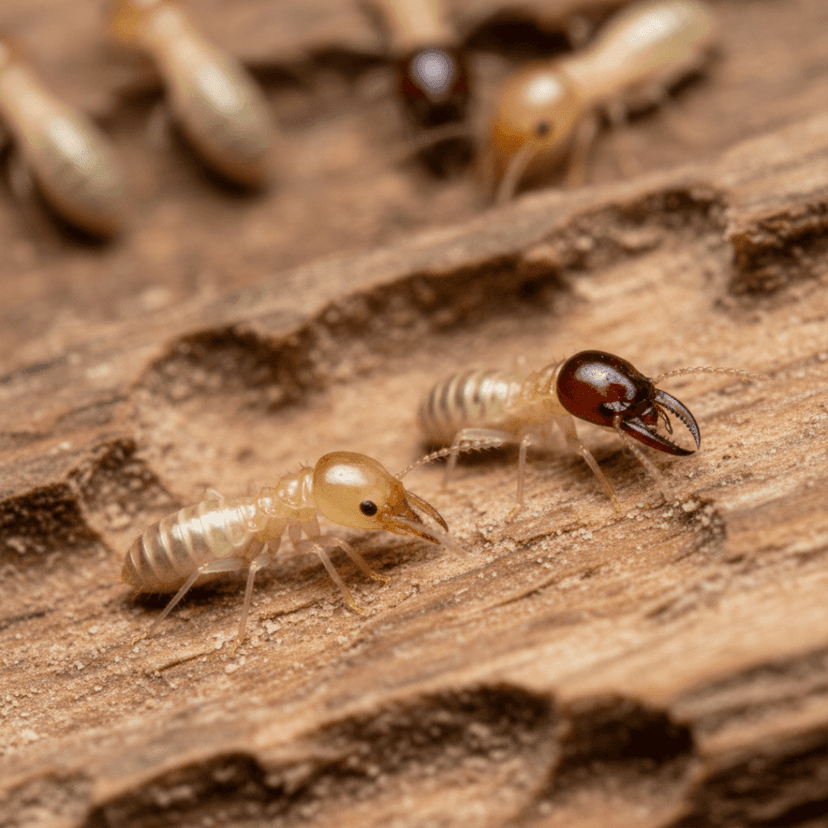
Termite Protection for Warehouses and Godowns in Kerala
Termite Protection for Warehouses and Godowns in Kerala
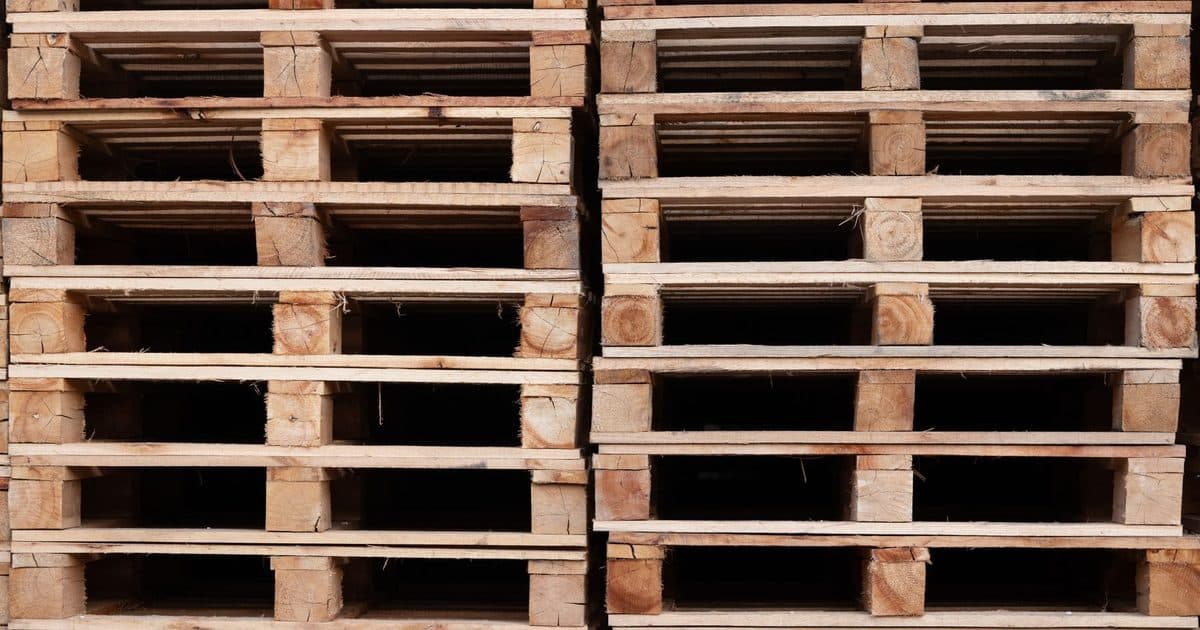
Termite control for warehouse and godown premises is treated as a low priority until stock is lost, at which point it becomes urgent and expensive. The risk is easy to underestimate because the building itself is usually concrete and steel. The cellulose that termites want is in the pallets, the packaging and the goods, and there is a great deal of it sitting directly on a floor slab.
Key Takeaways
- Wooden pallets are the primary risk. They sit on the slab, hold moisture and are rarely inspected underneath.
- Cardboard packaging is both food and harbourage, and stock stacked against walls creates a concealed corridor.
- Damage is discovered at dispatch, when a pallet fails or a carton collapses, by which time it is a stock loss.
- Protection is mostly discipline. Off floor storage, wall clearance, stock rotation and inspection at intake.
Why Warehouses Are More Exposed Than They Look
A modern Kerala warehouse is concrete floor, masonry or sheet walls and a steel frame. None of that interests a termite. The contents do. Wooden pallets, timber crates, corrugated cartons, paper packaging, labels and many of the goods themselves are cellulose, and they are stored in bulk on a slab that sits directly on treated or untreated soil.
Two structural features make it worse. Expansion joints and service penetrations in a large floor slab give subterranean termites entry points spread across the whole footprint rather than confined to a perimeter. And warehouses are often extended, with new bays added, which breaks any barrier installed originally.
The third factor is time. Stock at the back of a rack can sit undisturbed for months, which is precisely the condition a colony needs. Fast moving stock is effectively self inspecting. Slow moving stock is not, and that is where losses concentrate.
Pallets: The Single Biggest Risk
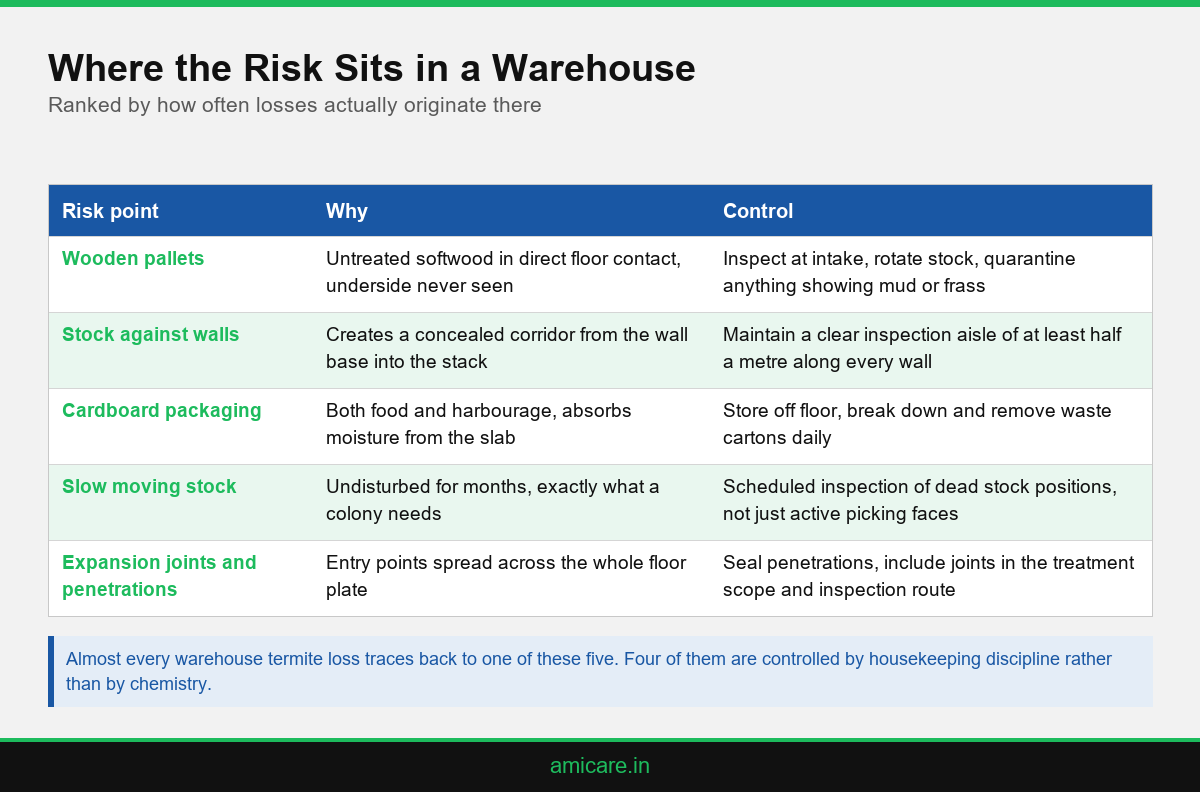
Wooden pallets deserve specific attention because they combine every risk factor. They are untreated or lightly treated softwood, they sit in direct contact with the floor, they hold moisture from the slab, and the underside is never seen once loaded.
They also travel. A pallet that arrives from another site can bring a drywood colony or a wood borer infestation into a clean warehouse, and it will be stacked next to your existing stock within minutes of arrival. Pooled pallet systems move timber between many premises with no inspection at the point of transfer.
The practical controls are unglamorous and effective. Inspect pallets at intake, particularly the underside and the block joints. Reject or quarantine anything showing mud, frass or damage. Rotate pallet stock rather than leaving the same units at the back for years, and consider plastic pallets for long term storage positions where the economics allow.
How the Damage Is Usually Discovered
Rarely by inspection. The typical sequence is that a pallet is moved for dispatch and fails, or a carton is lifted and the base collapses, or a customer receives goods with visible damage and rejects the consignment. At that point the loss has already happened.
This is a function of how warehouses are used rather than negligence. Nobody looks under a loaded pallet, nobody moves racking to see the wall behind it, and mud tubes running up a wall behind a stack are invisible until the stack moves. The damage develops in exactly the places the operation makes inaccessible.
The countermeasure is to build inspection into operations rather than treating it as separate. A clear aisle along the wall line, a scheduled look at dead stock positions and an intake check on incoming timber cost very little and convert a hidden risk into a visible one. The general warning signs of termite activity apply, but you have to be able to see the surfaces they appear on.
Treating an Occupied Warehouse
The operational constraint dominates the technical decision. A stocked warehouse cannot be emptied for treatment, racking cannot always be moved, and dispatch schedules do not pause for pest control. Any provider quoting for a warehouse without asking about these has not understood the job.
Perimeter and internal barrier work is usually done in phases, section by section, coordinated with stock movement. This takes longer than a single visit and needs planning with the operations team, but it avoids the alternative of postponing indefinitely because a full shutdown is never available.
Baiting is often the better fit for exactly this reason. Stations set into the soil around the perimeter require no internal drilling, no stock movement and no disruption, and they eliminate the colony rather than excluding it. The trade off is a longer timeline and dependence on the provider returning to monitor, which for a commercial site should be contractual rather than assumed.
Goods that cannot tolerate treatment
Food, pharmaceuticals, packaging destined for food contact and certain textiles all restrict what can be applied nearby and when. These constraints should be established at survey stage and written into the method statement, not raised by a warehouse supervisor while the technician is already working.
Wood Borers and Stored Product Pests
Termites are not the only insect that damages stored goods, and misidentifying which one you have leads to the wrong response. Wood boring beetles attack pallets, crates and timber packaging, leaving clean round exit holes and fine powdery frass rather than mud.
The distinction matters operationally as well as technically. A borer infestation in pallets is usually addressed by removing and replacing the affected timber and treating the remainder, whereas subterranean termite activity means the building and the soil need attention. Guidance on wood boring beetles and how they differ covers the identification.
There is a further category worth knowing about, which is stored product insects attacking the goods themselves rather than the packaging. That is a different discipline again, involving pheromone monitoring and intake inspection, and it belongs in a food or commodity storage programme rather than in termite work. The existing article on wood borer treatment in Kerala covers the timber side.
Designing a Warehouse to Resist Termites
For anyone building or fitting out a warehouse, several decisions made once remove a category of ongoing risk. Pre construction soil treatment is the largest of them and the cheapest per square metre, because the slab area can be treated before it is cast. Retrofitting equivalent protection afterwards is neither cheap nor as complete.
Seal service penetrations properly at construction and re seal them whenever new services are run. Every pipe, conduit and drain passing through the slab is a potential entry point, and in a large floor plate there are many. Detail expansion joints with termite resistant sealant rather than standard mastic.
Then design the layout for inspection. Racking set out from the wall rather than against it, a marked inspection aisle around the perimeter, and off floor storage as standard rather than as an exception. None of this costs anything at design stage and all of it is expensive to introduce later, which is the same argument made for pre construction treatment generally.
Building It Into the Operation
The controls that work in warehouses are procedural rather than technical, and they succeed only when they belong to the operation rather than to the pest contractor.
Put pallet inspection into the goods in procedure so it happens at intake by warehouse staff, not quarterly by a visiting technician. Put the wall clearance aisle into the layout standard so it survives the next stock surge. Put waste cardboard removal into the daily routine rather than the weekly one.
Then close the loop with the pest programme. Monitoring device locations recorded on the warehouse plan, readings logged, findings raised as corrective actions with an owner and a date, and dead stock positions on a scheduled inspection route. That combination catches problems while they are still confined to one pallet position rather than one bay.
Conclusion
Warehouse termite risk lives in the pallets and packaging rather than in the building, and it is controlled mostly by discipline rather than chemistry. Store off floor, keep an inspection aisle at every wall, check timber at intake and rotate dead stock. Then treat the soil properly, in phases if the operation cannot pause. Ask Amicare to survey your warehouse around its operating pattern rather than quoting on floor area.
Frequently Asked Questions
Do concrete and steel warehouses get termites?

Why are wooden pallets such a risk?
How is warehouse termite damage usually found?
Can a stocked warehouse be treated without shutting down?
Should we switch to plastic pallets?
How much wall clearance do we need?
What is the difference between termite and borer damage in pallets?
Does pre construction treatment matter for a warehouse?
Who should inspect incoming pallets?
Are stored goods themselves at risk?
Share on Social Media
Related Posts
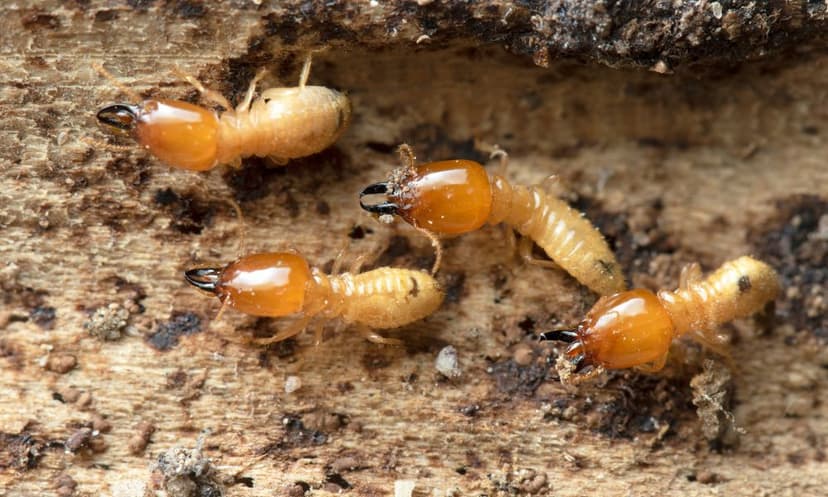
Termite Control in Kerala: Complete Guide for Homeowners
Termite Control Tips for New Homeowners in Kerala

Pre-Construction Termite Treatment in Kerala

Post Construction Termite Treatment in Kerala Homes

Why Regular Pest Management Is Essential for a Healthy Home