Signs of Termite Infestation in Kerala Homes - 10 Warning Signs to Never Ignore
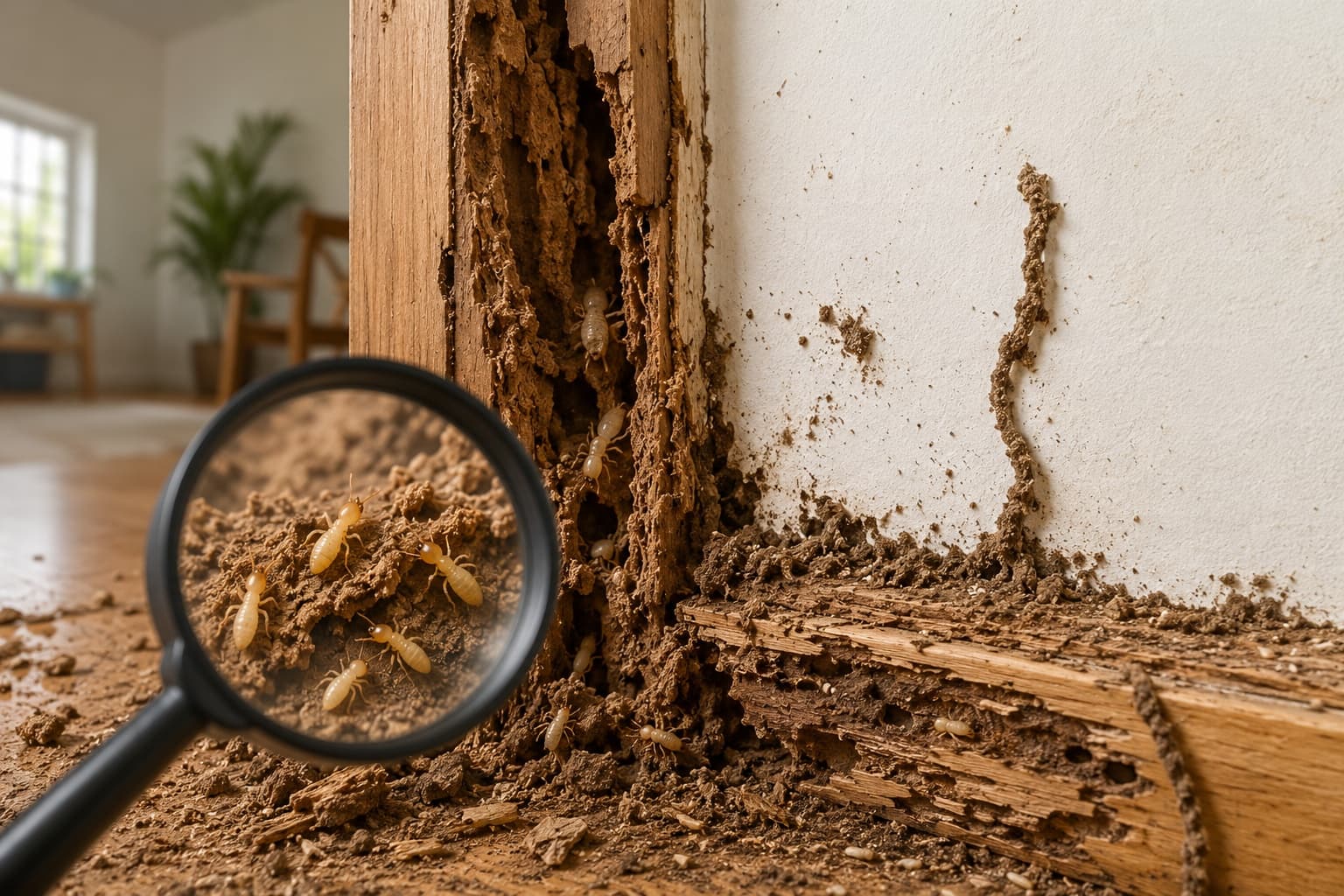
By the time most homeowners notice something is wrong, termites have often been quietly working inside their walls, furniture, and door frames for months. Kerala's warm, humid climate keeps termite colonies active almost all year round, which is exactly why learning the early signs of termite infestation Kerala properties commonly show can save you lakhs in repair costs. This guide walks you through the ten warning signs you should never ignore, whether you live in an old tharavadu-style home or a newly built apartment.
Why Early Detection Matters in Kerala
Kerala's soil moisture, monsoon rainfall, and use of wood in traditional construction create near-perfect conditions for subterranean and drywood termites alike. Termite colonies can contain hundreds of thousands of members, and they rarely announce themselves loudly. Recognizing the signs of termite infestation early is the single biggest factor in reducing repair costs and preventing structural damage to beams, staircases, and furniture.
10 Warning Signs of Termite Infestation in Kerala Homes
1. Mud Tubes Along Walls or Foundations
Subterranean termites build pencil-thin mud tubes to travel between the soil and their food source while staying protected from light and predators. Look for these brownish tubes running along external walls, foundations, or pillars, especially in areas that stay damp after rain.
2. Hollow-Sounding Wood
Tap on wooden beams, door frames, or furniture with the back of a screwdriver. If the wood sounds hollow or papery rather than solid, termites may have already eaten through the inner layers while leaving a thin outer shell intact.
3. Discarded Wings Near Windows or Lights
When a termite colony matures, it releases swarmers (alates) to start new colonies. After a short flight, these winged termites shed their wings near windowsills, light fixtures, and doorframes. Finding small, uniform wings scattered on the floor is a strong indicator of an active nearby colony.
4. Frass or Termite Droppings
Drywood termites push out tiny, pellet-like droppings called frass as they tunnel through wood. These look like small mounds of sawdust or coffee grounds near skirting boards, window frames, or wooden furniture.
5. Damaged or Crumbling Skirting Boards
Skirting boards and wooden trims are often the first visible casualty. If you notice blistering, crumbling edges, or a board that gives way under light pressure, termites are likely feeding from the inside out.
6. Sagging Doors and Windows
Termite-damaged wood loses structural integrity, causing doors and window frames to sag, stick, or become difficult to open and close, even though there is no visible moisture damage.
7. Peeling or Bubbling Paint
Termite activity beneath painted wood or drywall can cause moisture buildup that mimics water damage, resulting in peeling, bubbling, or discolored patches on walls and ceilings.
8. Visible Tunnels or Galleries in Wood
If you ever cut into or break a piece of damaged wood, termite galleries appear as maze-like tunnels running along the grain. This is one of the clearest confirmations of an infestation.
9. Clicking or Rustling Sounds in Walls
Soldier termites bang their heads against wood to signal danger to the colony, and worker termites create faint rustling sounds while feeding. In a quiet room, these sounds can sometimes be heard by placing an ear close to affected wood or walls.
10. Tight-Fitting Doors and Buckling Floorboards
Excess moisture released by termite activity can cause wooden floorboards to buckle or warp, and doors that once closed easily may suddenly feel tight against their frames.
What to Do If You Spot These Signs
If even one of these signs of termite infestation Kerala homeowners commonly overlook sounds familiar, do not wait for visible structural damage before acting. Termite colonies grow silently, and a small problem today can mean replaced beams and furniture in a year. A licensed pest control professional can carry out a proper inspection, confirm whether termites are active, and recommend the right treatment method for your property. For a fuller understanding of how termite treatments work and how to prevent re-infestation, see our detailed guide, "Termite Control in Kerala: The Complete Homeowner's Guide."
Amicare Services follows Central Insecticide Board guidelines and sends only certified, in-house technicians for every termite control service inspection, so you get an honest assessment rather than a sales pitch dressed up as an inspection. If cost is part of your decision, our guide, "Termite Treatment Cost in Kerala," breaks down what affects the price.
Get a Free Inspection Today
Do not wait until a termite problem becomes a structural one. Contact Amicare today for a free inspection and find out exactly where your home stands.
Frequently Asked Questions
How quickly can termites damage a house in Kerala?

Depending on colony size and wood type, visible structural damage can appear within six months to a couple of years, though termites may be active inside walls and furniture long before signs become obvious.
Are mud tubes always a sign of active termites?
Not always. Some mud tubes are abandoned. A technician will break a small section open to check for live termites inside before confirming active infestation.
Can I treat termites myself if I spot early signs?
DIY sprays and powders usually only kill the termites they directly contact and rarely reach the main colony, so professional treatment is strongly recommended for lasting results.
Do termite signs look different for old versus new houses?
Older homes with more exposed wood tend to show hollow wood and skirting board damage first, while newer constructions often reveal mud tubes near foundations or bathroom plumbing points first.
Is it normal to see winged termites after rain in Kerala?
Yes, swarming often increases after rainfall and humid weather, which is common during Kerala's monsoon and post-monsoon months, making this an important time to inspect your home.
Can termites damage concrete homes too?
Yes. While termites cannot eat concrete, they travel through tiny cracks and expansion joints in concrete to reach wooden doors, frames, furniture, and false ceilings inside the home.
How often should I inspect my home for termite signs?
A visual check every few months is useful, but a professional inspection once a year is recommended, especially before and after the monsoon season.
What is the difference between subterranean and drywood termite signs?
Subterranean termites leave mud tubes and need soil contact, while drywood termites live entirely within wood and are usually identified through frass and discarded wings rather than mud tubes.
Will pest control chemicals damage my furniture or flooring?
Amicare uses Central Insecticide Board approved formulations applied by trained in-house technicians, following methods designed to protect your furniture, flooring, and family while eliminating the colony.
Does a termite inspection cost anything?
Amicare offers a free inspection so you can understand the extent of the problem, if any, before deciding on a treatment plan.