The Science Behind Termite Treatment: How Amicare Protects Your Home
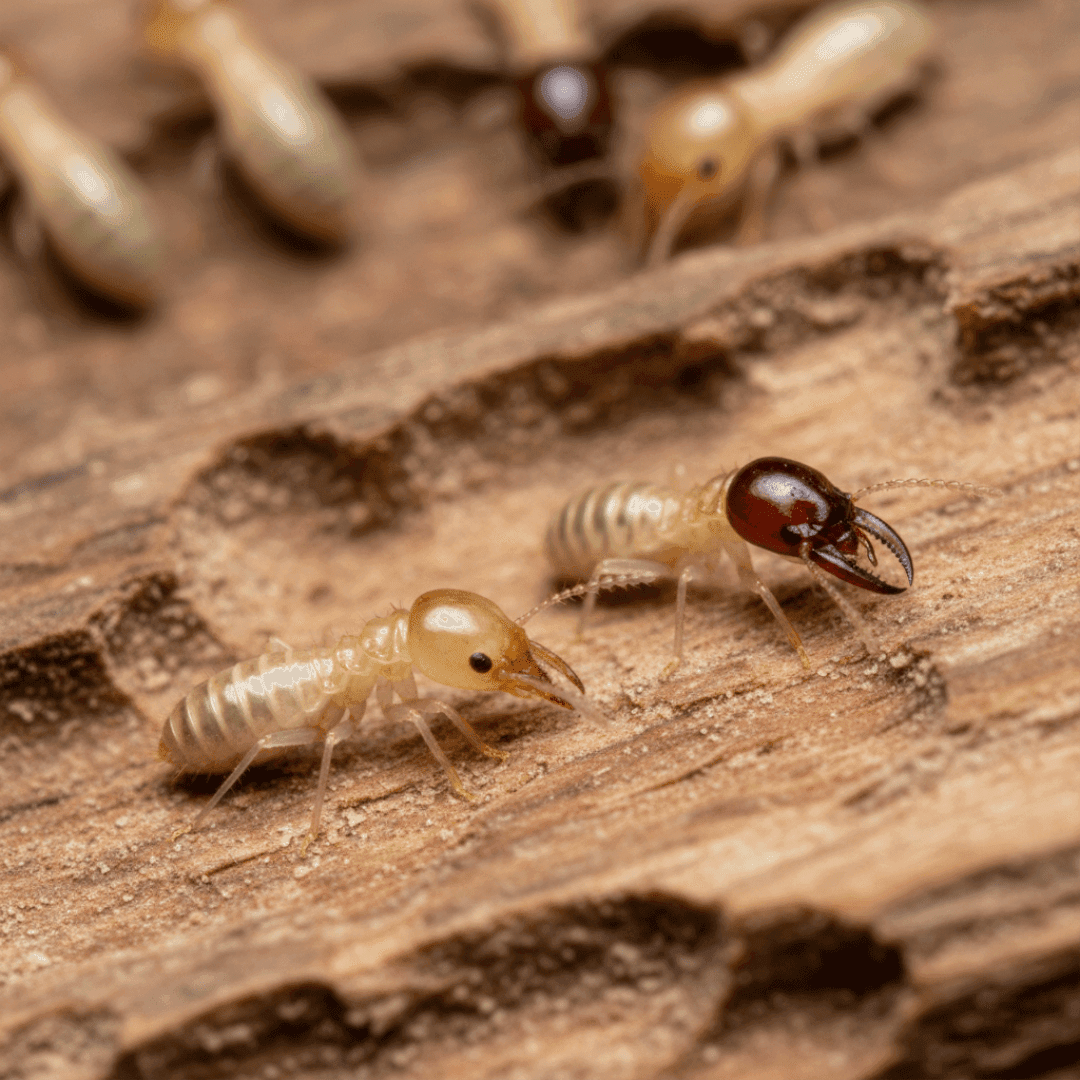
Termites silently destroy homes across Kerala, causing lakhs of rupees in damage every year. Understanding the science behind termite treatment Kerala helps homeowners make informed decisions about protecting their most valuable asset. Amicare Services, Kerala's ISO-certified pest control experts, combines advanced scientific methods with government-approved solutions to eliminate termites and prevent future infestations. In this guide, we'll explore the proven techniques, chemicals, and treatment processes that make professional termite control effective and safe for your family.
Key Takeaways
Professional termite treatment uses scientifically proven methods like soil barriers, baiting systems, and targeted chemical applications
Amicare's anti-termite service follows Integrated Pest Management (IPM) principles for safe, long-lasting protection
Pre-construction termite control creates chemical barriers that prevent termite entry for years
Regular inspections and preventive treatments are essential for comprehensive termite prevention in Kerala's humid climate
Understanding Termite Biology and Behavior
Termites are social insects that live in colonies and feed on cellulose found in wood, making Kerala homes particularly vulnerable.
Termites operate in highly organized colonies with distinct castes: workers, soldiers, and reproductives. Worker termites, which cause the actual damage, constantly search for food sources by traveling through mud tubes and underground tunnels. In Kerala's warm, humid climate, subterranean termites thrive year-round, attacking wooden structures, furniture, and even books. Understanding their biology helps professionals at Amicare design targeted treatments. For instance, termites need moisture to survive, which is why they build mud tubes to maintain humidity while traveling. They communicate through pheromones, which modern baiting systems exploit to eliminate entire colonies. This scientific knowledge forms the foundation of effective termite control in Kerala, ensuring treatments address root causes rather than just visible symptoms.
Chemical Barriers: The Foundation of Termite Protection
Chemical soil treatments create protective barriers around foundations, preventing termites from entering buildings for 5-7 years.
The most effective termite treatments involve creating a continuous chemical barrier in the soil around and beneath structures. Amicare uses government-approved termiticides like fipronil and imidacloprid, which are non-repellent and allow termites to pass through treated areas before dying. This ensures the chemical spreads throughout the colony through contact between termites. During pre-construction termite control, these barriers are applied before laying foundations, providing the strongest possible protection. For existing structures, technicians drill holes at specific intervals around the building perimeter and inject the solution under pressure. The treatment penetrates deep into the soil, creating a zone that termites cannot cross. Studies show that properly applied chemical barriers remain effective for 5-7 years, though annual inspections ensure continued protection in Kerala's challenging climate.
Advanced Baiting Systems and Colony Elimination
Modern baiting systems target entire termite colonies by using slow-acting toxins that workers carry back to the nest.
Baiting systems represent a revolutionary approach to termite control, eliminating entire colonies rather than just creating barriers. Amicare's anti-termite service installs monitoring stations around properties, containing cellulose materials that attract foraging termites. Once termite activity is detected, bait cartridges containing insect growth regulators are introduced. These chemicals prevent termites from molting, eventually killing the entire colony including the queen. The key advantage is that termites share food within the colony, so a few workers feeding on bait can eliminate thousands of termites. This method is particularly effective for sensitive areas like hospitals, schools, and homes with young children, as it uses minimal chemicals and targets only termites. Baiting systems also provide ongoing monitoring, alerting homeowners to new termite activity before significant damage occurs.
Integrated Pest Management (IPM) Approach
IPM combines multiple scientific methods for comprehensive termite prevention while minimizing environmental impact.
Amicare follows Integrated Pest Management principles, which combine physical, chemical, and biological methods for optimal results. This approach begins with thorough inspections using moisture meters, thermal imaging, and acoustic devices to detect hidden infestations. Physical modifications like removing wood-to-soil contact, fixing moisture problems, and improving ventilation address conditions that attract termites. Chemical treatments target active infestations and create protective barriers. Regular monitoring ensures early detection of new activity. For example, during post-construction termite treatment, IPM strategies might include treating infected areas, installing bait stations, repairing structural vulnerabilities, and scheduling quarterly inspections. This multi-layered approach provides better long-term protection than relying on chemicals alone. Statistics show that IPM reduces termite damage by 90% compared to single-method treatments, making it the gold standard for termite prevention in Kerala homes.
The Role of Professional Expertise and Certification
Certified technicians understand termite behavior, treatment chemistry, and application techniques that DIY methods cannot replicate.
Professional termite treatment requires specialized knowledge that goes far beyond simply spraying chemicals. Amicare's government-approved and ISO-certified technicians undergo rigorous training in entomology, treatment application methods, and safety protocols. They understand which termiticides work best for Kerala's specific termite species, how to calculate proper dilution rates, and where to apply treatments for maximum effectiveness. For instance, treating subterranean termites requires different techniques than drywood termites. Professionals also have access to commercial-grade equipment like high-pressure injection systems, drill machines, and protective gear that ensure thorough coverage and safety. DIY treatments often fail because homeowners cannot identify the termite species, miss hidden infestations, or apply products incorrectly. As explained in our guide on why DIY pest control fails in Kerala homes, professional expertise makes the difference between temporary relief and long-term protection.
Long-Term Monitoring and Maintenance
Effective termite protection requires ongoing monitoring, annual inspections, and timely retreatments based on scientific assessment.
Termite protection doesn't end with initial treatment. Amicare provides comprehensive monitoring programs that include annual inspections, activity assessments, and maintenance treatments as needed. During inspections, technicians check previous treatment areas, look for new mud tubes or damage, test moisture levels, and verify barrier integrity. If termite activity is detected, targeted retreatments address problem areas before significant damage occurs. Modern monitoring technology includes digital termite detection devices and reporting systems that track trends over time. For properties with baiting systems, technicians visit quarterly to check stations and replace bait as consumed. This proactive approach catches problems early when solutions are simpler and less expensive. Data shows that homes with regular monitoring programs experience 95% fewer termite damage claims compared to properties without professional maintenance. Whether you need termite treatment Kerala for a new construction or an existing home, ongoing monitoring ensures your investment remains protected year after year.
Conclusion
Understanding the science behind termite treatment reveals why professional services deliver results that DIY methods cannot match. Amicare's comprehensive approach combines proven chemical barriers, advanced baiting systems, IPM principles, and certified expertise to protect Kerala homes from costly termite damage. From pre-construction termite control that prevents infestations before buildings are occupied to ongoing monitoring programs that catch problems early, every aspect of termite treatment Kerala is backed by scientific research and government-approved methods. Don't wait until you discover extensive damage—contact Amicare Services today for a thorough inspection and customized protection plan. Our ISO-certified technicians bring over 10 years of experience protecting homes across Kerala with safe, effective, and scientifically proven solutions.
Contact Amicare Services for safe, certified termite control across Kerala.
Frequently Asked Questions
What is termite treatment Kerala and why is it essential?

Termite treatment Kerala involves professional pest control methods using chemical barriers, baiting systems, and IPM techniques to eliminate termites and prevent infestations. Kerala's humid climate and wooden structures make homes highly vulnerable, causing extensive damage. Amicare's certified expertise ensures professional treatment protects your property investment effectively.
How does anti-termite service work for Kerala homes?
Anti-termite service creates protective chemical barriers in soil around structures, preventing termite entry for 5-7 years. Certified technicians use government-approved termiticides like fipronil that eliminate colonies through contact transfer. This comprehensive approach combines inspection, treatment, and ongoing monitoring for lasting protection
What chemicals are safe for termite treatment in Kerala?
Professional termite treatment Kerala uses approved, low-toxicity chemicals including fipronil, imidaclopril, and chlorantraniliprole. These non-repellent termiticides target insects specifically while remaining safe for humans and pets when applied correctly. Amicare follows strict safety protocols similar to mosquito fogging services, ensuring family protection throughout the treatment process.
When should I schedule pre-construction termite control?
Pre-construction termite control should occur before laying foundations, during plumbing installation, and after filling soil. This timing ensures complete soil treatment beneath and around structures. Early application provides strongest protection, preventing infestations for years and saving costly post-construction repairs in Kerala homes.
How long does professional termite treatment last?
Chemical soil barriers typically last 5-7 years with proper application, while baiting systems provide ongoing protection through regular monitoring. Treatment longevity depends on soil type, moisture levels, and maintenance, similar to bed bug control treatments requiring professional care. Annual inspections by certified technicians ensure continued effectiveness and address emerging termite activity promptly.