Rat Control in Kerala: Why Monsoon Season Increases Infestations
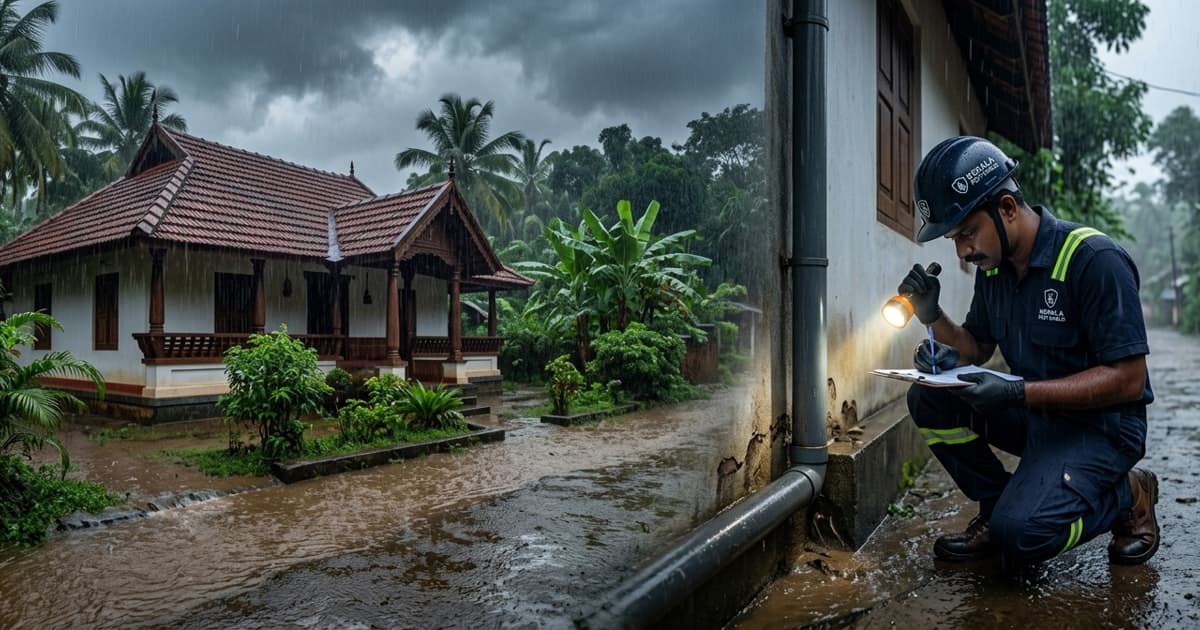
Rat control in Kerala becomes one of the most urgent concerns for homeowners and businesses the moment the monsoon arrives. Kerala receives some of the heaviest annual rainfall in India, and this seasonal deluge creates the perfect breeding ground for rodents. Rats are driven from waterlogged fields, drains, and outdoor habitats directly into homes, kitchens, and commercial spaces. Understanding why monsoon amplifies rodent activity and how to respond quickly can protect your property and your family's health. This blog walks you through the causes, risks, prevention steps, and professional solutions available across Kerala.
Key Takeaways
Kerala's heavy monsoon rainfall forces rats to migrate indoors, dramatically increasing rodent infestation risks from June through September.
Effective rat control in Kerala during the monsoon requires both preventive measures and certified professional pest management, including Integrated Pest Management approaches that deliver long-term results.
Amicare Services Pvt. Ltd. offers ISO-certified, government-approved rodent control solutions across Kerala tailored for both residential and commercial needs.
Why Monsoon Season Triggers Rat Infestations in Kerala
Kerala's geography makes it uniquely vulnerable to monsoon-driven rodent problems. The state's combination of paddy fields, backwater regions, dense vegetation, and older building infrastructure gives rats abundant natural habitats. When rains flood these outdoor spaces, rodents lose their shelters and food sources almost overnight.
Rats are highly adaptive creatures. They can squeeze through gaps as small as 1.5 centimetres, swim through drains, and climb walls with ease. Once the monsoon begins, they actively seek dry, warm shelter inside buildings. Homes with unsealed pipe gaps, cracked walls, or poorly fitted doors become easy entry points. This migration happens rapidly, which is why residents often notice sudden infestations rather than a gradual build-up.
According to the World Health Organization, rodents are responsible for transmitting over 35 diseases globally, including leptospirosis, which is particularly prevalent in Kerala during the monsoon due to contact with flood water contaminated by rat urine. This makes timely action on rat control in Kerala not just a hygiene concern but a public health priority.
How Monsoon Conditions Create the Perfect Environment for Rats
The monsoon does more than push rats indoors. It also creates conditions that help rodent populations grow faster. Here are the key factors:
Abundant moisture and warmth: Kerala's humid monsoon climate accelerates the breeding cycle of rats. A single pair of rats can produce dozens of offspring in a matter of months under favorable conditions.
Easy food access: Damp conditions cause food to spoil faster, and improperly stored grains, vegetables, and kitchen waste become readily available food sources for rats.
Flooded drainage systems: Overflowing sewers and drains provide rats with underground travel routes directly into buildings.
Reduced outdoor predators: Heavy rain limits the activity of natural rodent predators such as snakes and birds of prey, allowing rat populations to grow unchecked.
Structural weaknesses: Monsoon rains expose and widen cracks in walls and foundations, creating new entry points that did not exist during drier months.
These factors combine to create a seasonal surge that makes rat control in Kerala especially challenging from June through September. Proactive planning is far more effective than reactive treatment after an infestation is already established.
Health and Property Risks Caused by Monsoon Rodent Infestations
Many people underestimate the damage that a rodent infestation can cause beyond simple inconvenience. Rats pose serious risks to both health and property, and monsoon conditions heighten every one of these threats.
Health Risks Associated with Rat Infestations During Monsoon
Leptospirosis is the most feared rat-borne illness during Kerala's monsoon. It spreads when humans come into contact with water or soil contaminated with rat urine. Symptoms include high fever, muscle pain, and in severe cases, organ failure. Beyond leptospirosis, rats carry salmonella, rat-bite fever, and various parasites including fleas and mites. These pests can easily contaminate stored food and cooking surfaces, putting entire households at risk. For businesses in the food industry, a rodent problem during the monsoon can trigger regulatory action and serious reputational damage, making professional pest control in Kerala a business necessity rather than an option.
Property Damage Caused by Rats During the Rainy Season
Rats gnaw continuously because their teeth grow throughout their lives. During monsoon infestations, they damage electrical wiring, water pipes, insulation, wooden furniture, and stored documents. Chewed electrical wires are a leading cause of house fires in rodent-affected homes. Structural materials softened by monsoon moisture become even easier targets for gnawing. Commercial spaces including warehouses, restaurants, and food storage units are particularly vulnerable. The cost of property damage often far exceeds the cost of professional rat control, making early intervention the smarter investment.
Practical Rat Prevention Tips for the Monsoon Season
Before the rains arrive and throughout the monsoon period, Kerala residents can take several practical steps to reduce their risk of rodent infestation. These measures work best when combined with professional pest management.
Seal all entry points: Inspect walls, doors, windows, and pipe entry points for gaps. Use cement, steel wool, or mesh screens to block openings before the monsoon starts.
Store food in sealed containers: Rats are attracted by accessible food. Keep all grains, rice, pulses, and kitchen supplies in airtight, rodent-proof containers.
Manage waste efficiently: Empty bins daily and use covered dustbins. Organic waste left overnight is one of the strongest attractants for rats.
Clear vegetation near the home: Trim back shrubs, remove garden debris, and clear stacks of firewood or old materials that rats use as nesting spots.
Repair drainage leaks: Fix broken drain pipes and ensure water does not pool near the foundation of your home, as wet soil and standing water attract rodents.
Check false ceilings and lofts: Rats frequently nest in roof spaces and false ceilings. Inspect these areas regularly, especially after heavy rain.
These steps significantly reduce the chances of rats entering your home. However, prevention alone may not be enough once an infestation has already begun. That is when certified professional services make the critical difference.
Why Professional Rat Control in Kerala Is Essential During Monsoon
DIY rodent control methods such as snap traps and over-the-counter poison baits can capture individual rats but rarely address the root cause of an infestation. Rats are intelligent animals that quickly learn to avoid traps that have harmed members of their group. To understand why home remedies often fall short, it helps to read about why DIY pest control fails in Kerala homes, especially during high-pressure seasons like the monsoon.
Professional pest control services offer several clear advantages:
Thorough inspection: Trained technicians identify entry points, nesting areas, and travel routes that homeowners often miss entirely.
Targeted treatment plans: Professional services use rodenticides, tamper-resistant bait stations, and exclusion techniques in a coordinated strategy rather than isolated measures.
Safe application: Certified professionals use government-approved products applied in controlled quantities, keeping your family and pets safe while eliminating rodents effectively.
Follow-up monitoring: A key part of professional service is monitoring activity after treatment to ensure the infestation has been fully resolved and to prevent re-entry.
Amicare Services Pvt. Ltd. is ISO-certified and government-approved, with over 10 years of experience managing rodent infestations across Kerala. The team uses Integrated Pest Management principles that prioritize long-term prevention alongside immediate control. Whether the infestation is in a residential apartment, a commercial kitchen, or a food storage facility, Amicare's trained technicians develop solutions specific to each environment.
For businesses especially, maintaining a pest-free space is tied directly to compliance and customer trust. Amicare's approach to pest control in Kerala is built around safety, certification, and sustainable results. Learn more about how professional regular pest management is essential for a healthy home and how consistent monitoring prevents seasonal spikes from becoming long-term problems.
Choosing the Right Rat Control Service in Kerala
Not all pest control services offer the same level of expertise or accountability. When choosing a provider for rat control in Kerala, especially during the demanding monsoon season, consider the following:
Verify that the company holds valid government approvals and ISO certification.
Ask about the specific methods used, including whether they follow IPM principles.
Check for documented experience with rodent infestations in Kerala's unique climate.
Confirm that follow-up visits and monitoring are included in the service package.
Look for transparent pricing and clear communication about treatment steps and timelines.
Amicare Services meets all of these criteria and has served homes, institutions, restaurants, hotels, hospitals, and food businesses across Kerala for over a decade. Their coverage extends across all major cities in the state, ensuring accessible and reliable service wherever you need it. You can also explore the rodent control resource section for additional guidance on managing rodent issues throughout the year.
For comprehensive guidance on keeping your home protected year-round, the team at Amicare also covers certified pest control across Kerala that is both safe and government-approved, giving you complete confidence in the service you receive.
Conclusion
Rat control in Kerala during the monsoon season demands a combination of early prevention, consistent hygiene habits, and professional pest management. Kerala's climate and geography create annual conditions that are ideal for rodent migration and rapid population growth. The health risks, especially leptospirosis, and the property damage associated with rat infestations make timely action essential. DIY methods rarely provide the thorough, lasting results that trained professionals can deliver. Amicare Services Pvt. Ltd. brings ISO certification, government approval, and over a decade of Kerala-specific expertise to every rodent control assignment. Contact Amicare Services today for safe, certified, and effective rat control across Kerala.
Frequently Asked Questions
Why do rat infestations increase during Kerala's monsoon season?

How can I tell if I have a rat infestation in my home during the monsoon?
What diseases can rats spread during monsoon season in Kerala?
Are DIY rat traps effective during heavy monsoon infestations?
How often should I schedule professional rat control in Kerala during monsoon?
Can rats damage electrical wiring in my home during the monsoon?
What entry points do rats use to enter Kerala homes during the rainy season?
Is rat control safe for families with children and pets?
How does Integrated Pest Management help with monsoon rat control in Kerala?
What should I do if I find a rat in my home during the monsoon?