Rat Control in Kerala: Common Causes of Rodent Infestations
Introduction
Rats are one of the most disruptive pests found in Kerala homes and businesses. The state's warm, humid climate and rapid urbanisation create ideal conditions for rodents to thrive. Whether you live in Kochi, Thiruvananthapuram, or Thrissur, rat control in Kerala is a concern that cannot be ignored. A small infestation can grow into a serious problem within weeks. This blog explains the most common causes of rat infestations and what you can do to keep your property protected throughout the year.
Key Takeaways
Kerala's tropical climate and monsoon season significantly increase the risk of rodent infestations in homes and businesses.
Poor sanitation, open food storage, and structural entry points are the leading causes of rat activity.
Professional rat pest control near me is the most reliable and lasting solution for rodent problems across Kerala.
Why Rats Thrive in Kerala's Climate and Urban Settings
Kerala's tropical heat, high humidity, and seasonal flooding create perfect conditions for rodent populations to grow rapidly.
Rats are highly adaptable. They breed fast and survive on minimal food and water. Kerala's dense urban centres, active food markets, and extensive drainage networks give rodents constant access to food, water, and shelter. The monsoon floods further push them out of their natural habitats and into residential and commercial buildings.
This combination of environmental and urban factors makes rat control in Kerala an ongoing need. Seasonal spikes are common, particularly from June to September when flooding is at its peak. Properties near canals, paddy fields, open drains, and food establishments are at the highest risk. According to the World Health Organization, rodents are responsible for transmitting over 35 diseases worldwide, making timely control essential for public health.
Common Causes of Rat Infestations in Kerala Homes and Businesses
Identifying the root causes of an infestation is essential for effective rodent management. Rat activity rarely happens by chance. It is almost always linked to specific conditions within or around a property.
1. Poor Sanitation and Open Waste Areas
Improper waste disposal is one of the leading causes of rat infestations across Kerala. Rats are scavengers. They are drawn to uncovered garbage bins, exposed organic waste, and food scraps left in open areas.
In busy residential neighbourhoods and commercial markets, waste management can be inconsistent. This creates a steady food source that encourages rats to settle nearby. Regular sanitation, covered dustbins, and timely waste removal are simple but effective preventive measures. Communities near fish markets or vegetable mandis face this challenge on a daily basis.
2. Improperly Stored Food at Home and in Commercial Premises
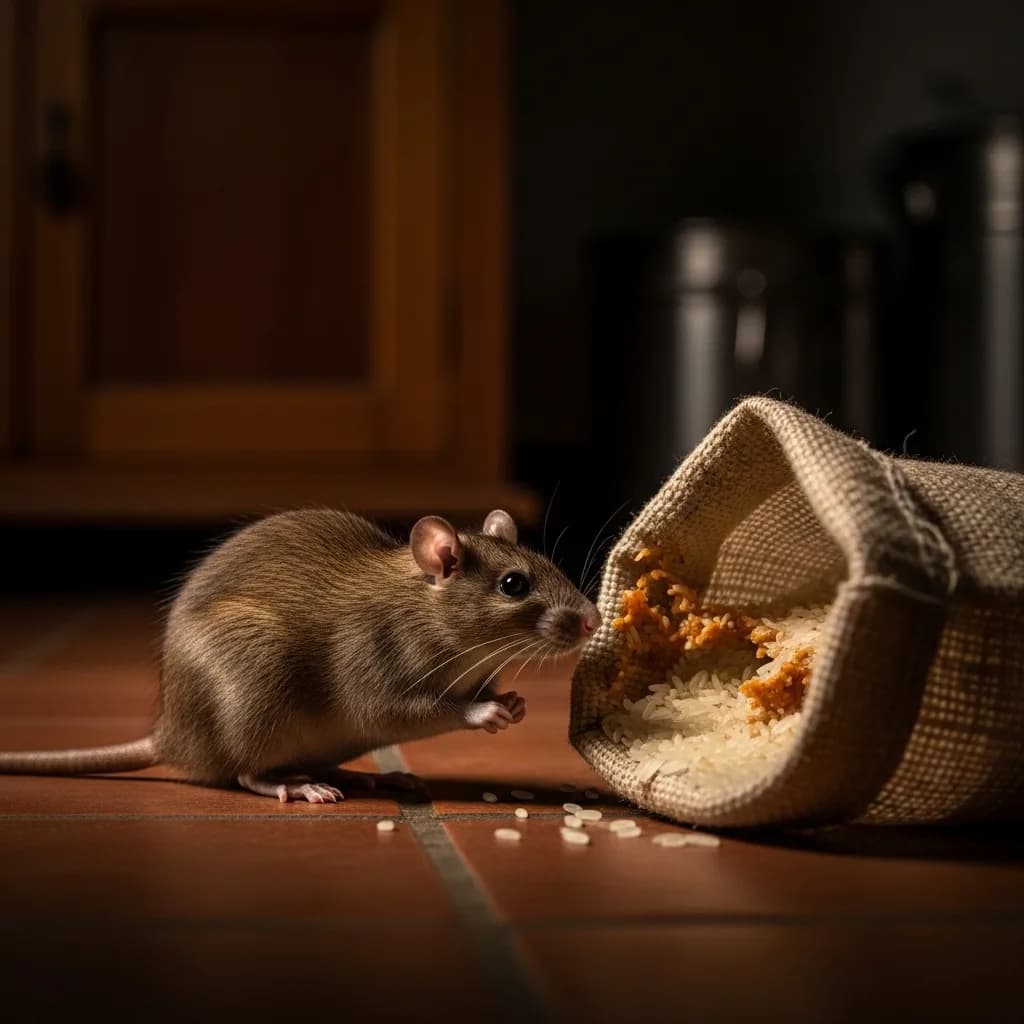
Open food storage is a major invitation for rodents. Grains, rice, coconut products, and vegetables stored without sealed containers attract rats quickly. Traditional storage methods in Kerala homes, such as open shelves or loosely covered sacks, increase this risk significantly.
Food businesses face an even greater challenge. Restaurants, canteens, and food processing units must maintain strict hygiene standards to prevent rodent access. Food product safety services are critical for businesses that handle, store, or process food products. A rat problem in a food facility is both a health hazard and a legal compliance risk.
3. Gaps, Cracks, and Structural Entry Points
Rats can enter a building through openings as small as 12 millimetres. Gaps around pipes, broken drain covers, damaged wall sections, unsealed window frames, and open roof vents are common entry points.
Older buildings in Kerala are especially vulnerable. Settlement cracks, aging infrastructure, and renovation work all create new pathways for rodents. Even newly constructed buildings may have unsealed gaps around utility lines. A detailed inspection of your property can identify these vulnerabilities early and help prevent an infestation before it takes hold.
4. Monsoon Season and Flood Displacement
Kerala's annual monsoon is one of the most significant drivers of rodent movement. Rising water levels displace rats from their underground burrows, drain habitats, and agricultural environments. They actively seek dry, elevated shelter and often find it in homes and commercial properties.
This seasonal surge in rat activity is predictable. Preparing your property before June each year by sealing entry points, clearing debris, and arranging a professional inspection can significantly reduce the risk of a monsoon-related infestation.
5. Overgrown Gardens and Cluttered Spaces
Dense vegetation, untrimmed hedges, and overgrown areas around a property give rats cover and nesting material. Rats prefer dark, undisturbed spaces to breed and raise young. Gardens with heavy undergrowth, unused storage rooms, and cluttered garages or lofts are ideal nesting environments.
Maintaining clean outdoor spaces and reducing unnecessary clutter inside the home removes these opportunities. Periodic decluttering of storage areas is a practical step that can make a meaningful difference in reducing rodent activity.
6. Proximity to High-Risk Areas
Properties located near wet markets, fish markets, open drains, and food establishments face consistent pressure from rodent activity. The combination of food waste and accessible water sources makes these zones natural hotspots for rats.
In Kerala's busy commercial areas, rat pressure is ongoing throughout the year. Businesses in these zones must maintain a consistent approach to rodent control services in Kerala to stay protected and compliant.
Signs That Indicate a Rat Problem in Your Property
Spotting an infestation early helps you act before it spreads. Common warning signs include:
Droppings near food storage areas, cupboards, or along walls and skirting boards
Gnaw marks on electrical cables, wooden furniture, pipes, or food packaging
Scratching or scurrying sounds from ceilings, walls, or floors at night
Nesting material such as shredded paper, fabric, or insulation found in hidden corners
Greasy marks or dirty tracks running along baseboards and walls
A persistent musty or unpleasant odour in enclosed or poorly ventilated spaces
If you notice more than one of these signs, do not delay. Early intervention through professional residential pest control in Kerala is far more effective than waiting until the infestation becomes severe.
Why DIY Rat Control Often Falls Short
Many property owners attempt to address rat problems on their own using traps, bait stations, or store-bought repellents. These methods can provide short-term relief but rarely eliminate the root source of the infestation.
Rats are intelligent. They learn to avoid traps and shift their movement patterns when they sense a threat. Improper use of rodenticides also poses risks to pets, children, and non-target animals. Dead rodents left in concealed spaces create secondary pest issues and hygiene problems that can be difficult to resolve.
Our guide on why DIY pest control fails in Kerala homes explains how professional intervention using Integrated Pest Management delivers results that self-treatment simply cannot match. Certified professionals identify entry points, eliminate breeding sites, and apply targeted treatments safely and effectively.
How Amicare Provides Certified Rat Control in Kerala
Amicare Services is a trusted name in professional pest management across Kerala. With over 10 years of experience, ISO certification, and government approval, Amicare follows a structured IPM-based approach to handle rodent infestations with precision.
The process covers:
A thorough property inspection to identify entry points, nesting zones, and activity patterns
Safe, certified treatment methods that comply with hygiene and safety standards
Exclusion measures to seal entry points and reduce the risk of re-entry
Follow-up monitoring to confirm the infestation has been fully controlled
Amicare serves residential properties, commercial offices, restaurants, hotels, hospitals, and food processing units across all major cities in Kerala. If you are searching for rat pest control near me, Amicare operates across Kochi, Thiruvananthapuram, Thrissur, Kozhikode, and more. For further guidance on safe rodent management practices, the CDC's rodent control resource offers reliable public health information.
Conclusion
Rat infestations in Kerala are driven by a combination of climate, urban growth, seasonal flooding, and preventable factors like poor sanitation and open food storage. Understanding these causes gives property owners a clear path to prevention and effective management. Rat control in Kerala requires a consistent, professional approach rather than temporary fixes. Certified pest management ensures infestations are addressed at the source and your property stays protected year round. Contact Amicare Services for safe, certified pest control across Kerala. Explore our comprehensive pest control solutions in Kerala and take the first step toward a rat-free property today.
Frequently Asked Questions
What causes rat infestations in Kerala homes?

How can I tell if I have a rat problem at home?
Is rat control in Kerala more challenging during monsoon season?
Why should I hire a professional for rat pest control near me?
How long does a professional rat control treatment take?
Can rats spread diseases in Kerala homes?
What steps can I take to prevent rat infestations at home?
Are the treatments used by Amicare safe for families and pets?
How often should I schedule rat pest control for my home in Kerala?
Does Amicare offer rat control services for commercial properties?