Pest Control in Kerala: Climate & Lifestyle Impact
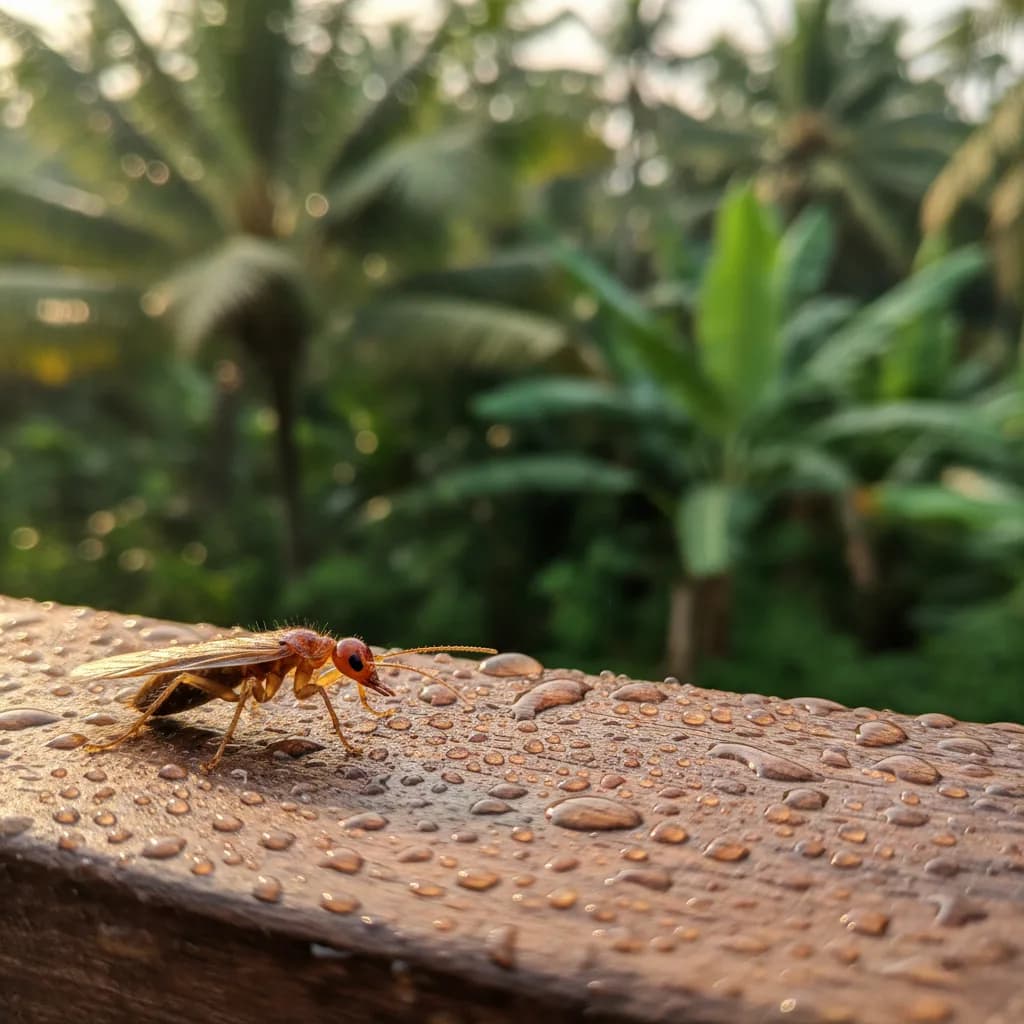
Kerala's lush tropical climate and unique lifestyle patterns create the perfect breeding ground for household pests. Understanding how these factors influence pest control in Kerala is crucial for homeowners seeking long-term protection. From heavy monsoon rains to warm temperatures year-round, environmental conditions combined with modern living habits significantly affect how pests thrive in Kerala homes and businesses.
Key Takeaways
Kerala's humid tropical climate with average temperatures of 25-35°C creates ideal breeding conditions for common household pests Kerala residents face throughout the year
Monsoon seasons increase moisture levels, attracting termites, cockroaches, mosquitoes, and rodents into homes seeking shelter and food sources
Modern lifestyle factors including food storage practices, waste management, and home construction methods directly impact pest infestation rates and require professional pest control Kerala solutions
Understanding Kerala's Unique Climate Challenges
Kerala's tropical climate creates year-round pest activity, unlike temperate regions where pests become dormant during winter months. The state experiences high humidity levels between 70-90% throughout the year, with temperatures rarely dropping below 20°C. These conditions accelerate pest reproduction cycles and extend their active seasons.
The southwest monsoon from June to September and northeast monsoon from October to November bring excessive rainfall, often exceeding 3000mm annually in certain regions. This moisture infiltrates homes through cracks, poor drainage systems, and inadequate ventilation. Termites, which cause significant structural damage, thrive in damp wood and soil conditions prevalent during monsoon months. Similarly, mosquitoes breed rapidly in stagnant water, increasing the risk of vector-borne diseases. Cockroaches and ants also multiply faster in humid environments, seeking shelter indoors. Professional cockroach pest control services become essential during these peak seasons to prevent widespread infestations.
Common Household Pests Kerala Homeowners Face
The diversity of common household pests Kerala experiences is directly linked to the state's biodiversity and climatic conditions. Termites rank as the most destructive pests, causing millions in property damage annually by consuming wooden structures, furniture, and important documents. Studies indicate that 70% of Kerala homes will face termite issues at some point.
Cockroaches are pervasive in Kerala kitchens and bathrooms, thriving in warm, moist environments and spreading diseases through contaminated food surfaces. Rodents including rats and mice infiltrate homes seeking food and shelter, particularly during monsoon seasons when outdoor conditions become inhospitable. They damage electrical wiring, contaminate food supplies, and carry dangerous pathogens. Mosquitoes pose serious health risks, transmitting dengue, chikungunya, and malaria. Ants, though seemingly harmless, contaminate food and cause structural damage over time. Additionally, bed bugs have resurged in urban Kerala homes, causing sleepless nights and allergic reactions. Understanding these pests' behavior patterns helps implement effective pest prevention tips tailored to Kerala's environment.
How Modern Lifestyle Increases Infestation Risk
Contemporary living patterns in Kerala have inadvertently created favorable conditions for pest proliferation in residential and commercial spaces. Open kitchen designs, while aesthetically pleasing, often lack proper food storage and waste management systems. Food crumbs, spills, and unsealed containers attract cockroaches, ants, and rodents that feed on these readily available sources.
Dense urban development has reduced natural pest habitats, forcing them to seek refuge in human dwellings. Apartment complexes with shared walls and common drainage systems allow pests to spread rapidly between units. Poor waste segregation and irregular garbage collection in many Kerala neighborhoods provide continuous food sources for rats, cockroaches, and flies. The increasing trend of imported wooden furniture and second-hand goods introduces termites and bed bugs into previously uninfested homes. Additionally, Kerala's shift toward 24/7 food delivery services and late-night eating habits leaves food waste exposed overnight, attracting nocturnal pests. According to the Kerala State Health Department, urban areas report 40% more pest-related complaints than rural regions, highlighting lifestyle's significant role in infestation patterns.
Construction Practices and Pest Entry Points
Traditional Kerala architecture with its emphasis on natural ventilation creates numerous entry points for pests when not properly maintained. Gaps in door and window frames, cracks in walls, and spaces around utility pipes serve as highways for pest invasion. Modern construction often prioritizes aesthetics over pest prevention, leaving vulnerabilities that homeowners discover only after infestations occur.
The prevalence of wooden roofing, beams, and ceiling structures in Kerala homes makes them particularly susceptible to termite and wood borer attacks. Hollow bricks and false ceilings provide hidden spaces where rodents nest and multiply undetected. Poor quality construction materials and shortcuts taken during building can compromise structural integrity, creating dampness that attracts moisture-loving pests. External factors like overhanging tree branches, vegetation touching walls, and poorly maintained gardens provide pest access routes to upper floors. Research by building science experts shows that 60% of pest problems in Kerala homes stem from construction-related vulnerabilities rather than poor housekeeping alone.
Seasonal Pest Patterns in Kerala
Kerala's distinct seasonal variations, though subtle compared to other regions, significantly influence pest behavior and infestation severity throughout the year. Pre-monsoon months from March to May see increased termite swarming activity as colonies establish new nests before rains arrive. This period demands vigilant monitoring and preventive treatments to protect wooden structures.
Monsoon seasons create peak conditions for mosquito breeding, with cases of dengue and chikungunya rising sharply between June and October. The Kerala State Health Department reports that vector-borne disease cases increase by 65% during monsoon months. Cockroaches and ants invade homes seeking dry shelter as outdoor conditions become waterlogged. Post-monsoon months from November to February bring slight relief, but stored grains attract weevils and other storage pests. Holiday seasons in December and January see increased rat activity in commercial areas due to elevated food waste from festivities. Understanding these seasonal pest patterns helps Kerala homeowners implement timely interventions with professional pest control services.
Professional Solutions vs. DIY Attempts
While DIY pest control methods may offer temporary relief, Kerala's unique climatic conditions demand professional expertise for long-term protection and safety. Over-the-counter pesticides often contain harsh chemicals that pose health risks to families and pets when applied incorrectly. Moreover, these products typically address only visible pests without eliminating hidden breeding sites.
Amicare Services employs Integrated Pest Management (IPM) techniques that identify root causes, eliminate breeding grounds, and create protective barriers using eco-friendly, government-approved solutions. Our ISO-certified professionals understand common household pests Kerala experiences and customize treatments based on home construction, lifestyle factors, and infestation severity. Professional services include thorough inspections using advanced detection equipment, targeted treatments for specific pest species, and follow-up visits to ensure complete eradication. The reasons why DIY pest control fails in Kerala homes include misidentification of pest species, inadequate coverage of treatment areas, and lack of preventive measures. Statistics show that professionally treated homes remain pest-free 85% longer than those using only DIY methods.
Prevention Strategies for Kerala Homes
Implementing comprehensive pest prevention tips protects Kerala homes from infestations while reducing dependence on chemical treatments and ongoing pest control costs. Regular home maintenance should include sealing cracks and gaps in walls, doors, and windows with appropriate materials. Installing fine mesh screens on windows and ventilation openings prevents insect entry while maintaining airflow.
Proper moisture control through adequate ventilation, functioning gutters, and quick repair of leaking pipes eliminates conditions that attract pests. Store food in airtight containers, clean kitchen surfaces thoroughly after cooking, and dispose of garbage daily in sealed bins. Maintain gardens by trimming vegetation away from walls, removing standing water sources, and storing firewood away from the house. Conduct quarterly professional inspections to identify potential problem areas before minor issues escalate into major infestations. According to pest management research, homes implementing these preventive measures experience 70% fewer pest problems than those relying solely on reactive treatments.
Conclusion
Pest control in Kerala requires a comprehensive understanding of how the state's tropical climate, monsoon patterns, and modern lifestyle factors create perfect conditions for home infestations. The combination of high humidity, warm temperatures, and dense urban living significantly increases the risk of encountering common household pests Kerala homeowners deal with regularly. While DIY methods may provide temporary relief, professional pest management services offer long-term protection through systematic treatment approaches and expert knowledge.
Amicare Services provides certified, government-approved pest control solutions across all major Kerala cities, using safe IPM techniques tailored to your specific needs. Our 10+ years of expertise in Kerala's unique pest challenges ensures your home remains protected throughout the year. Contact Amicare Services today for a comprehensive pest inspection and customized treatment plan that safeguards your family's health and property.
Frequently Asked Questions
What makes pest control in Kerala different from other states?

Kerala's tropical climate with year-round high humidity and temperatures creates continuous pest breeding conditions, unlike temperate regions with dormant winter periods. The extended monsoon seasons and dense vegetation increase pest populations significantly. Professional pest control Kerala services must account for these unique environmental factors when designing treatment protocols.
How often should Kerala homeowners schedule professional pest control services?
Quarterly pest control treatments are recommended for Kerala homes due to the favorable year-round breeding conditions. High-risk properties near water bodies, dense vegetation, or with previous infestation history may require monthly or bi-monthly services. Seasonal treatments before and after monsoons provide additional protection during peak pest activity periods.
Are eco-friendly pest control methods effective in Kerala's humid climate?
Yes, Integrated Pest Management (IPM) methods combining eco-friendly products, habitat modification, and exclusion techniques effectively control pests in Kerala's climate. Government-approved, low-toxicity solutions target specific pests while minimizing environmental impact. Professional services like Amicare's general pest control ensure proper application for maximum effectiveness in humid conditions.
Which pests are most dangerous to Kerala homes during monsoon season?
Termites pose the greatest structural threat during monsoons, attacking damp wood and causing extensive damage. Mosquitoes increase dramatically, spreading dengue and chikungunya. Rodents invade homes seeking dry shelter, contaminating food and damaging wiring. Cockroaches multiply rapidly in moist environments, creating significant health hazards through disease transmission.
Can construction materials prevent pest infestations in Kerala homes?
Yes, selecting appropriate building materials significantly reduces pest vulnerability. Termite-resistant treated wood, proper concrete curing, quality bricks, and pest-proof door/window seals minimize entry points. However, even pest-resistant construction requires regular maintenance and professional termite prevention treatments to ensure complete protection in Kerala's challenging climate conditions.
How do Kerala's lifestyle habits contribute to pest problems?
Modern Kerala lifestyles including open kitchen designs, irregular waste disposal, late-night eating habits, and dense urban living create abundant food sources and shelter for pests. Importing second-hand furniture and goods can introduce new pest populations. Changing these habits alongside professional pest management provides comprehensive protection against infestations.