Cockroach Control Service in Kerala: Why Kitchens Are the Most Affected Areas
Introduction
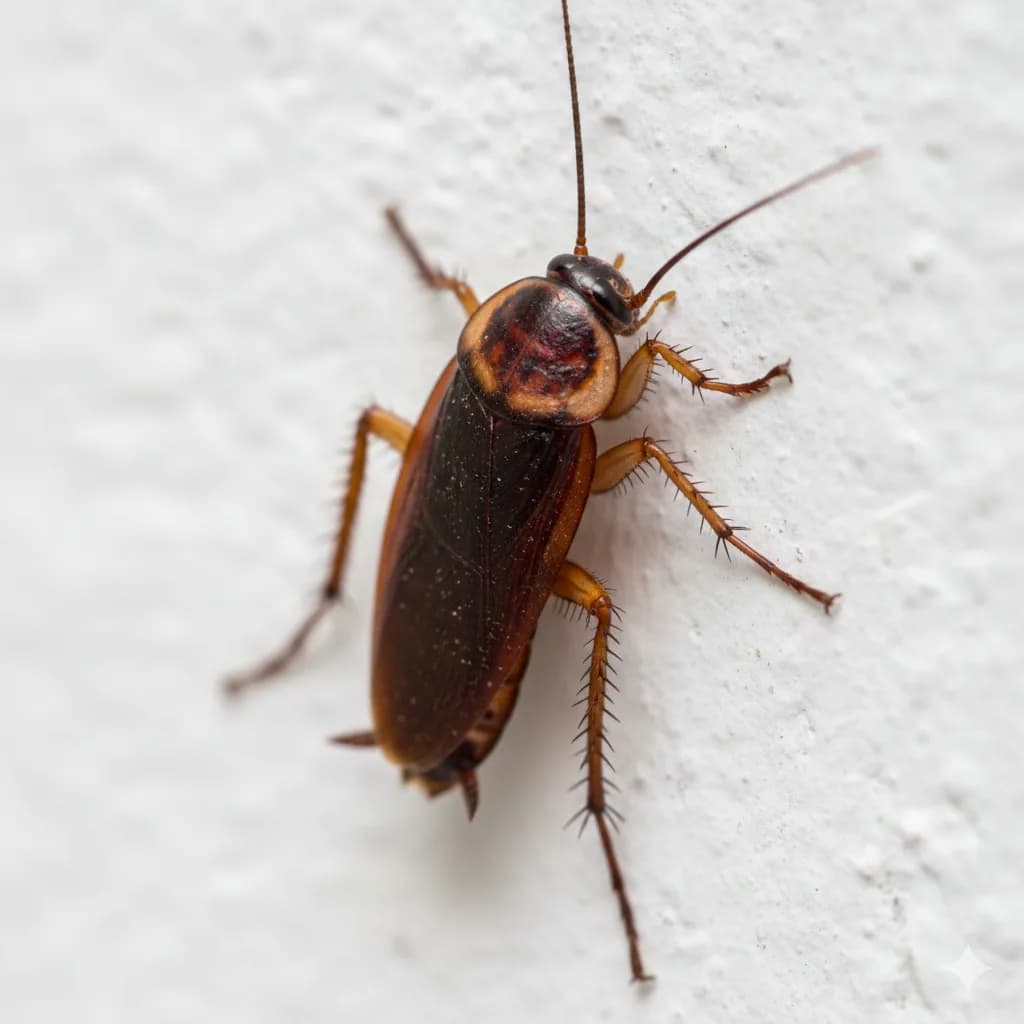
Cockroaches are among the most stubborn household pests in Kerala — and the kitchen is almost always their first target. If you've spotted one near the gas stove, behind the refrigerator, or around the sink, you already know how quickly things can escalate. A reliable cockroach control service in Kerala goes far beyond spraying repellents. It requires understanding why kitchens attract these pests in the first place and how to eliminate them from the root. This blog covers the key reasons your kitchen is the most vulnerable space — and what certified pest control solutions can do to protect it.
Key Takeaways
Kerala's warm, humid climate makes kitchens the ideal environment for cockroach breeding and survival.
Common hiding spots include drainage pipes, cabinet hinges, and the spaces behind kitchen appliances.
Professional pest control for cockroaches delivers long-lasting results that DIY methods and store-bought sprays rarely achieve.
Why Kerala Kitchens Are a Perfect Breeding Ground for Cockroaches
Kerala's tropical humidity, combined with the food and warmth found in every kitchen, creates near-perfect conditions for cockroach infestations to take hold and multiply rapidly.
Cockroaches need just three things to thrive: food, moisture, and warmth — and your kitchen provides all three in abundance. Kerala's climate maintains high humidity levels throughout the year, especially during the monsoon season. This persistent moisture, combined with open food containers, wet sinks, and warm appliances, turns the kitchen into an ideal cockroach habitat. According to the World Health Organization, cockroaches are major carriers of pathogens that cause illnesses like salmonellosis, dysentery, and typhoid fever. In compact Kerala kitchens — where cooking happens frequently and food residue is common — the conditions for a rapid infestation are always present. Even a well-maintained kitchen is at risk if drainage is poorly sealed or ventilation is inadequate.
Common Entry Points and Hiding Spots in Kerala Kitchens
Cockroaches are masters at staying hidden — identifying where they enter and shelter is the critical first step toward effective kitchen cockroach control in Kerala.
Most homeowners underestimate how small a gap cockroaches need to enter. They squeeze through drainage pipes, gaps beneath kitchen doors, cracks in walls, and utility holes around plumbing. Once inside, they settle in dark, tight spaces — behind refrigerators, under gas stoves, inside cabinet hinges, and even within electrical switchboards. In traditional Kerala kitchens with open shelves, clay storage pots, and loose-fitting cabinet doors, cockroaches find even more harborage zones. This is exactly why kitchen cockroach control in Kerala must focus on these specific areas, not just open surfaces. Treatments that ignore crevices and drainage systems offer only short-term relief.
Key entry and hiding zones to watch:
Drainage pipes and sink overflow gaps
Gaps behind refrigerators and under gas stoves
Cabinet hinges and base of kitchen shelves
Cracks in walls near utility lines
Electrical switchboard enclosures
Health Risks of a Cockroach Infestation in Your Kitchen
A cockroach infestation in your kitchen is not just a hygiene issue — it is a direct threat to your family's health, food safety, and overall well-being.
Cockroaches contaminate food surfaces, utensils, and open ingredients with bacteria, shed skin particles, and droppings. They are known carriers of E. coli, Salmonella, and several powerful allergens that can trigger asthma attacks and skin rashes — especially in children and elderly residents. For commercial kitchens in restaurants, hotels, and food processing units, a cockroach sighting can lead to serious regulatory consequences and hygiene compliance failures. This is why food businesses across Kerala increasingly invest in food product safety services as a regular part of their pest management strategy. The longer an infestation goes untreated, the greater the health risk and the harder it becomes to eliminate.
Why DIY Cockroach Control Methods Often Fail
Store-bought sprays and home remedies offer surface-level relief at best — they rarely eliminate the root source of a cockroach infestation.
Many homeowners reach for boric acid, chalk lines, or over-the-counter aerosol sprays at the first sign of cockroaches. While these may reduce visible activity temporarily, they do not target egg capsules (called oothecae) hidden deep within crevices, wall voids, or drainage networks. Improper chemical use can also cause cockroaches to scatter further into walls, making the problem harder to resolve later. As our detailed guide on why DIY pest control fails in Kerala homes explains, incorrect or incomplete treatment often leads to resistance build-up — meaning the same products become less effective over time. Breaking the reproductive cycle requires precision, not just persistence.
Common reasons DIY approaches fall short:
Sprays cannot reach hidden egg capsules in wall crevices
No treatment is applied to drainage and pipe networks
Incorrect product use accelerates cockroach resistance
No follow-up inspection or entry-point sealing
Colony size is underestimated, leaving pockets untreated
How Professional Cockroach Control Service in Kerala Works
Certified pest control professionals use a structured, multi-stage Integrated Pest Management approach to eliminate cockroach infestations at the source — safely and effectively.
Amicare's cockroach control service in Kerala follows an IPM-based methodology that combines thorough inspection, targeted treatment, and long-term prevention. Our ISO-certified, government-approved technicians begin with a detailed assessment of all kitchen zones — including drainage systems, cabinet bases, appliance gaps, and utility lines. Treatment involves gel bait application in active hotspots, residual spraying within harborage areas, and crack-and-crevice formulations that reach where cockroaches actually live. All chemicals used are safe, certified, and appropriate for food-preparation environments. For a broader understanding of how professional methods compare to DIY approaches, our guide on pest control for cockroaches in Kerala covers the full picture. Post-treatment, Amicare also provides guidance on preventive measures and offers scheduled follow-up monitoring to ensure the infestation does not return.
What Amicare's kitchen cockroach treatment includes:
Full inspection of kitchen, drainage, and utility lines
Targeted gel bait application in active zones
Residual spray treatment in crevices and harborage areas
Entry-point sealing recommendations
Post-treatment follow-up monitoring and advisory
Preventive Measures to Keep Your Kitchen Cockroach-Free
Treatment alone is not enough — consistent preventive habits are what keep your Kerala kitchen cockroach-free between professional service visits.
After professional treatment, maintaining results requires daily attention to hygiene and storage. Store food in airtight containers and avoid leaving unwashed dishes overnight. Fix leaking taps and ensure sink drains are covered when not in use. Wipe down appliances, stovetops, and shelves regularly to eliminate food residues that attract cockroaches. During Kerala's monsoon season, when humidity spikes dramatically, the risk of new infestation increases. Scheduling periodic inspections — especially before and after monsoon — is highly advisable. Pairing good hygiene habits with annual general pest control services in Kerala provides the most comprehensive, year-round protection for your home and kitchen.
Simple prevention habits that make a real difference:
Store all dry goods and leftovers in sealed containers
Fix leaking pipes and cover drainage gaps
Keep kitchen shelves clutter-free and dry
Dispose of garbage daily and use sealed bins
Schedule annual pest inspections before the monsoon season
Conclusion
Your kitchen is the heart of your home — and one of the most cockroach-prone spaces in any Kerala household. The combination of warmth, moisture, and food availability makes it an easy target for persistent infestations. Understanding the root causes and acting early is essential. A certified cockroach control service in Kerala like Amicare's doesn't just eliminate the pests you see — it targets the full colony, seals entry points, and helps you prevent future infestations. Don't wait for the problem to worsen. Contact Amicare Services for safe, ISO-certified, and government-approved pest control across Kerala — and protect your kitchen, your family, and your peace of mind today.
Frequently Asked Questions
What is a cockroach control service in Kerala?

A cockroach control service in Kerala is a certified pest management solution that eliminates infestations using gel baiting, targeted sprays, and IPM techniques. It covers residential, commercial, and food-industry spaces, ensuring safe and long-lasting protection across Kerala homes and businesses.
Why are kitchens the most affected area for cockroaches in Kerala?
Kerala's year-round humidity, combined with food residues, warm appliances, and moist drainage, makes kitchens the ideal cockroach habitat. Drainage pipes, cabinet hinges, and spaces behind appliances offer perfect shelter, making kitchens the primary infestation zone in most Kerala homes.
How does pest control for cockroaches work in a home?
Pest control for cockroaches involves thorough inspection, gel bait application in active zones, residual spraying, and crack-and-crevice treatment. Professionals target drainage pipes and appliance gaps to eliminate both visible cockroaches and hidden egg capsules, disrupting the reproductive cycle entirely.
What are the common signs of a cockroach infestation in a kitchen?
Common signs include black, pepper-like droppings near sinks and shelves, a musty odour, and shed skin near cabinet hinges. Oval-shaped egg capsules hidden near drainage pipes or appliances also confirm an active, growing cockroach infestation needing immediate attention.
Is cockroach pest control safe for food preparation areas in Kerala?
Yes. Certified providers use government-approved, food-safe formulations in kitchens, requiring only a short drying period before cooking resumes. For heavily contaminated spaces, combining cockroach treatment with emergency disinfection services ensures a fully sanitised and hygienic kitchen environment.
How often should I schedule cockroach control in my Kerala kitchen?
For Kerala homes, professional cockroach pest control is recommended every 3–6 months. Commercial kitchens and food businesses benefit from quarterly inspections. The monsoon season significantly raises infestation risk, making pre- and post-monsoon treatment particularly important for lasting, year-round protection.
Can cockroaches in the kitchen cause health problems for my family?
Yes. Cockroaches carry bacteria like Salmonella and E. coli, contaminating food surfaces and utensils. Their droppings and shed skin also trigger asthma attacks and skin allergies, especially in children and elderly individuals, making kitchen infestations a direct health threat.
What is the best cockroach pest control method for Kerala homes?
The best cockroach pest control uses an IPM-based approach — combining gel baiting, residual spraying, and drainage treatment. For a complete overview of certified pest control solutions in Kerala, speak with a licensed technician to plan the right treatment strategy.
How do I choose a reliable cockroach control service in Kerala?
Choose an ISO-certified, government-approved provider experienced in both residential and commercial pest management. Verify their use of IPM methods, food-safe products, and post-treatment follow-up. Amicare has served Kerala homes and businesses with certified cockroach control solutions for over 10 years.
Does kitchen cockroach control in Kerala also help prevent other pests?
Cockroach treatments targeting drainage and crevices reduce the conditions that attract other pests too. However, for complete kitchen protection against flies, ants, and rodents, a comprehensive pest management plan tailored to your Kerala home and kitchen environment is strongly recommended.